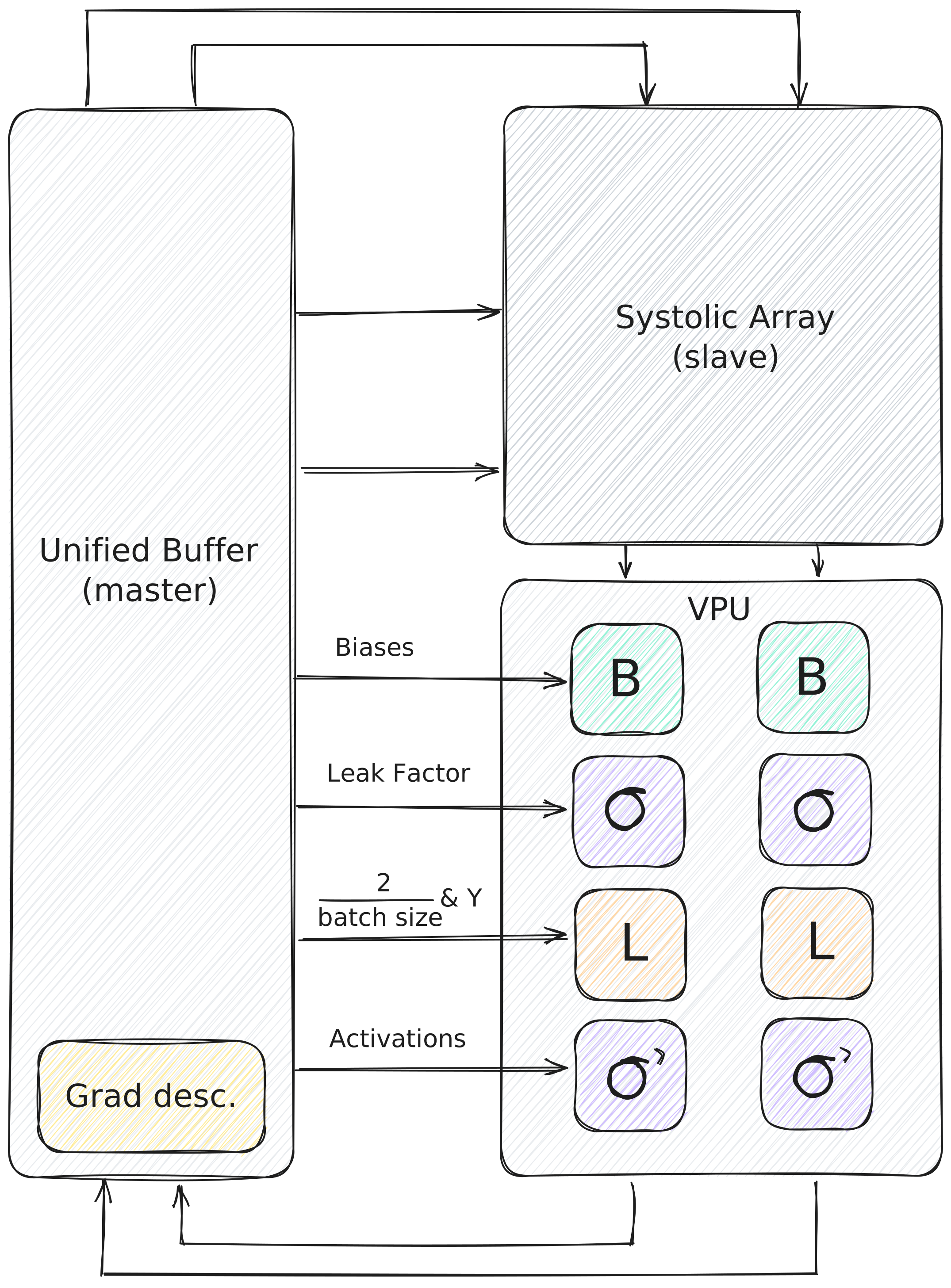
Open source TPU - performs training/inference of neural networks
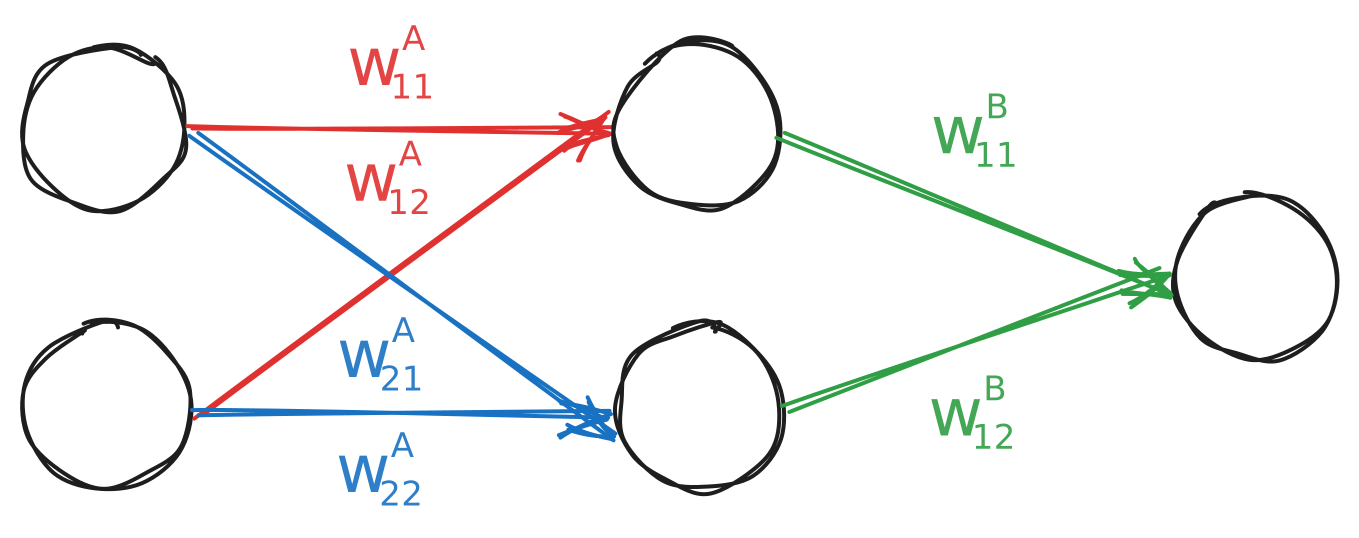
A few friends and I wanted to understand how TPUs work, so we built a small one in SystemVerilog. Worked through matrix multiplication, backpropagation, and the memory layout ourselves, then put together an FPGA demo and wrote a blog post.
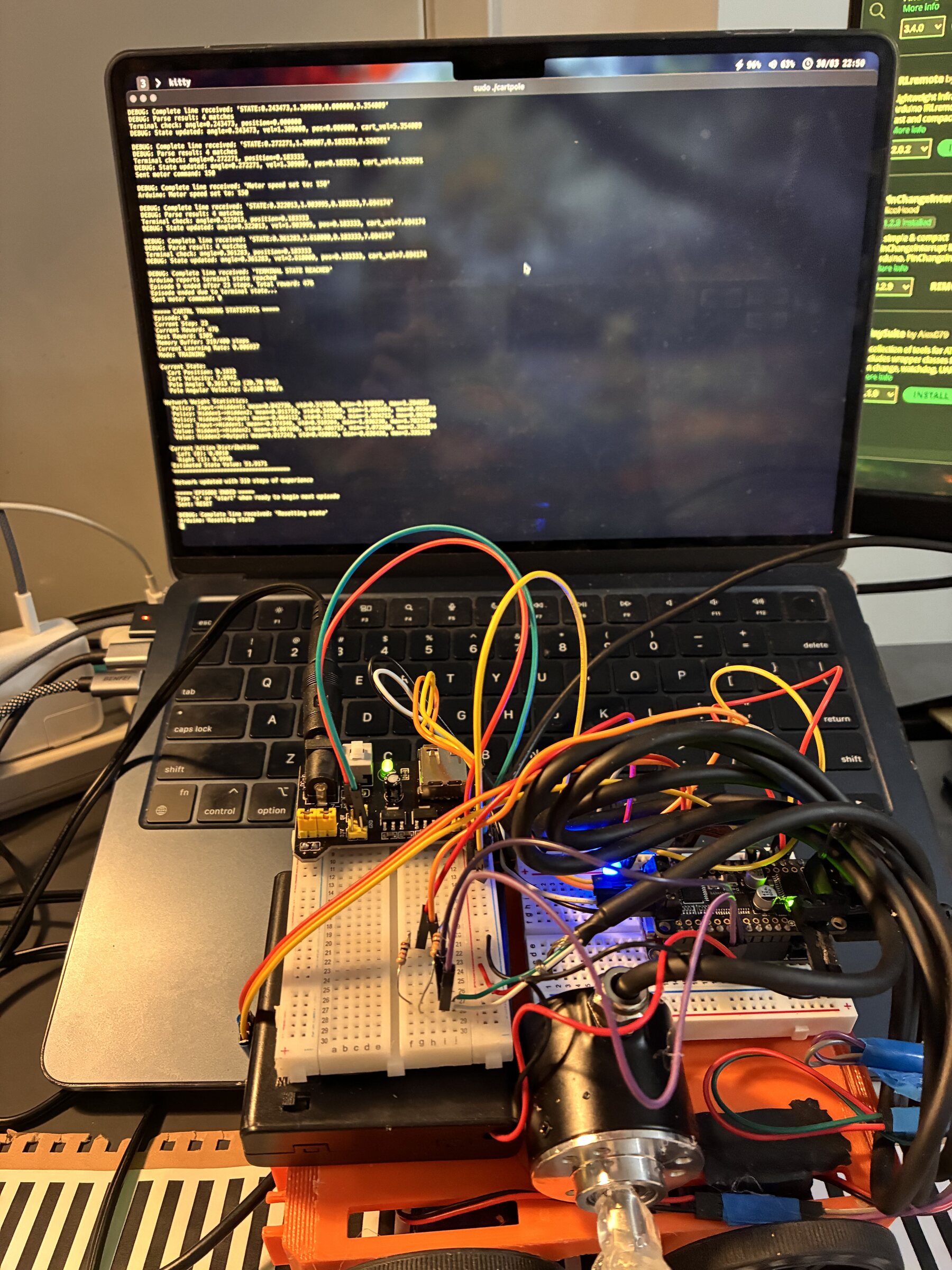
Reinforcement learning on a physical cart-pole
Was fascinated by reinforcement learning, so I implemented a PPO controller and a simulation.
400 Gb/s optical transmitter - simulation and wavelength control
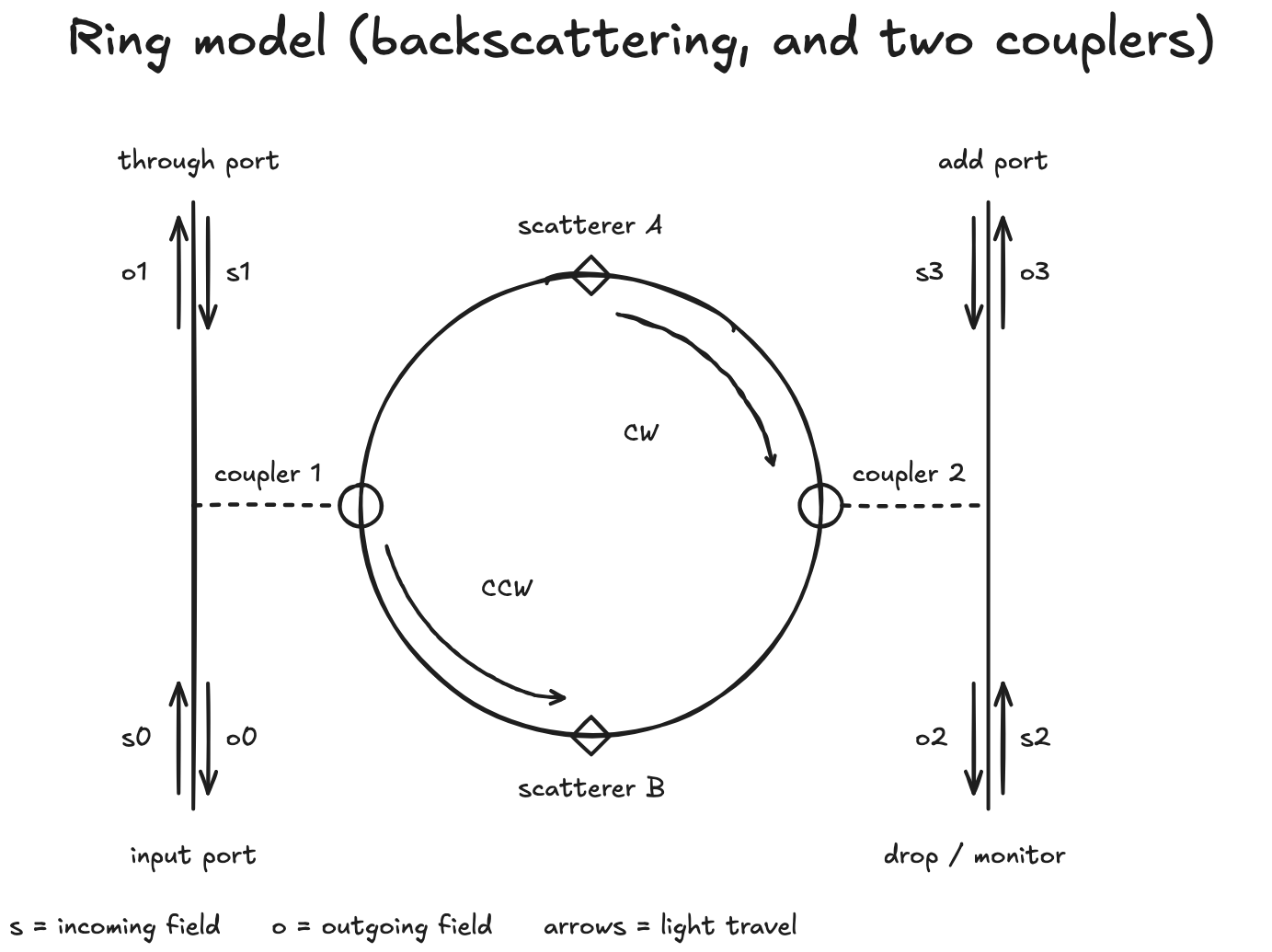
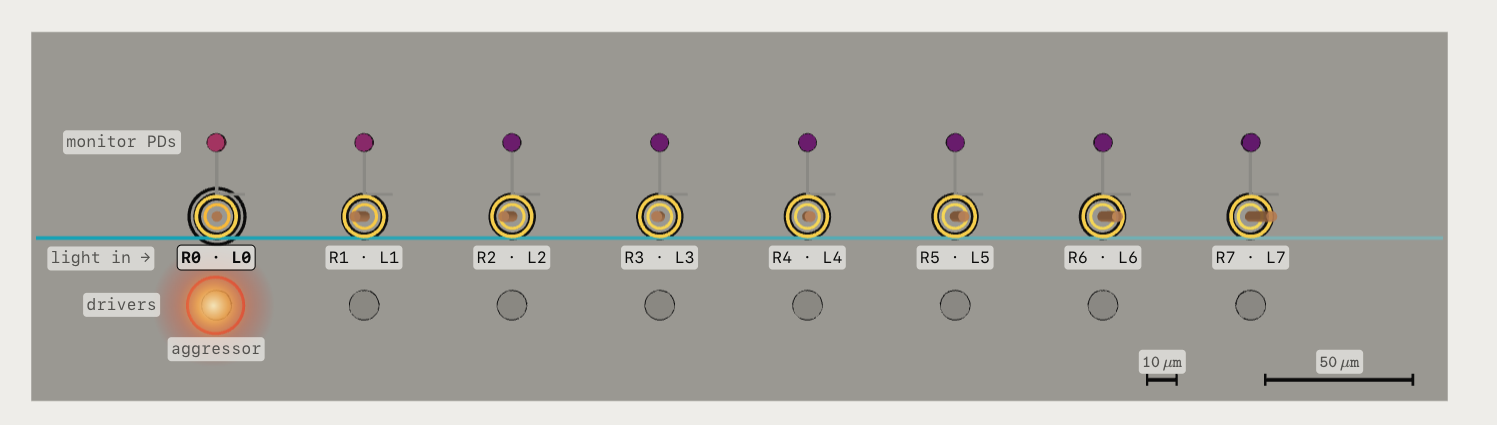
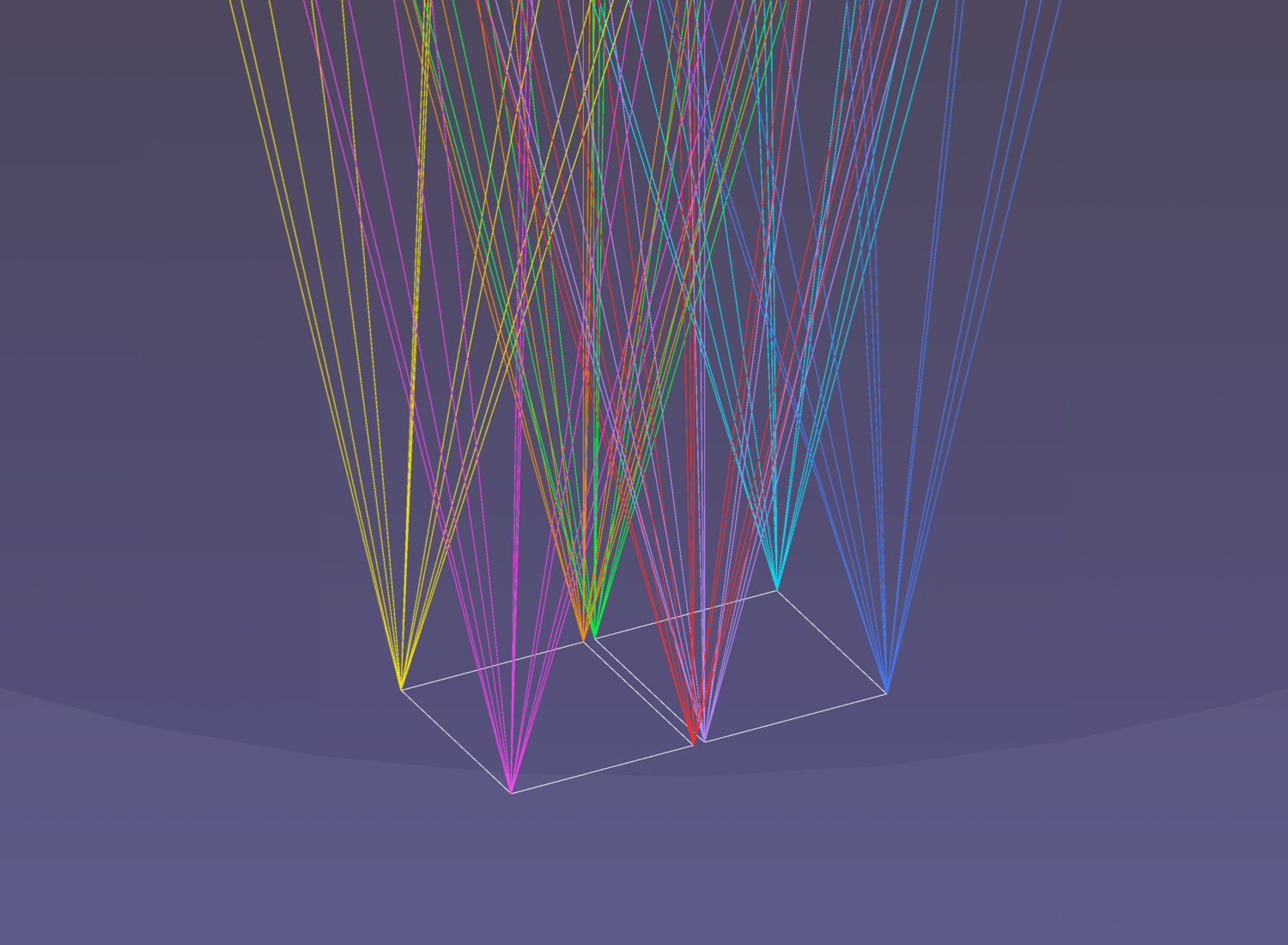
Building a physics-based simulator of a 400 Gb/s optical transmitter with eight ring resonators. Using it to develop controllers that maintain wavelength lock despite thermal crosstalk and laser drift.
Maskless lithography stepper - 3D CAD, optical simulation & mechanical design
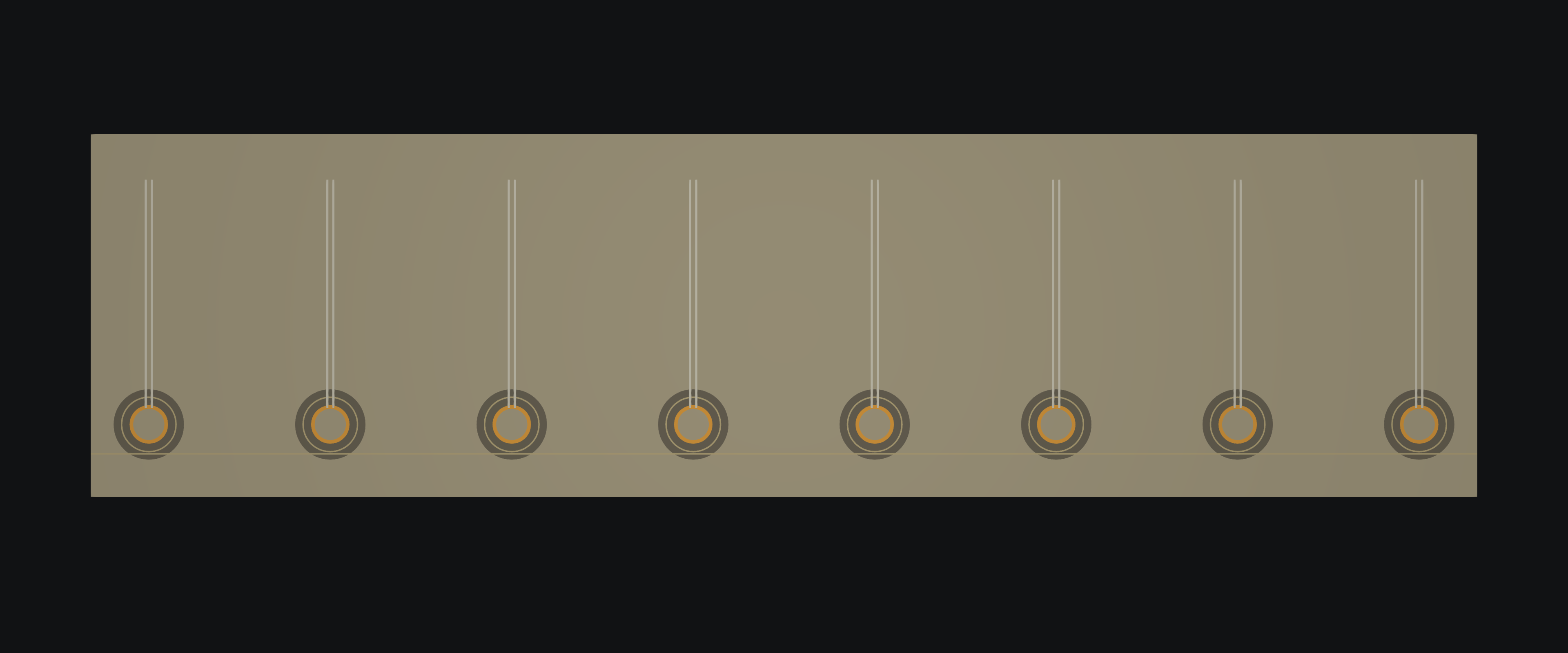
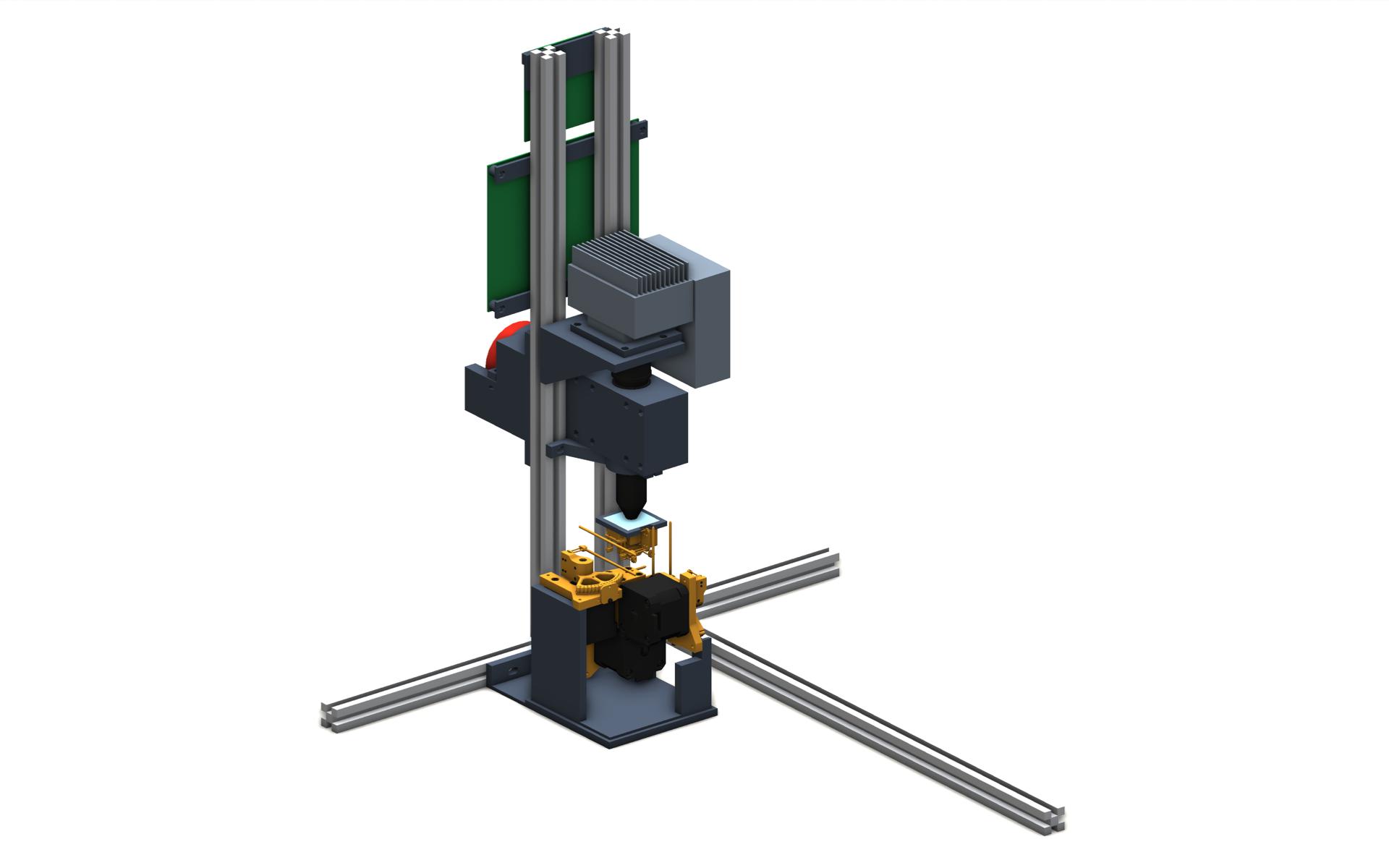
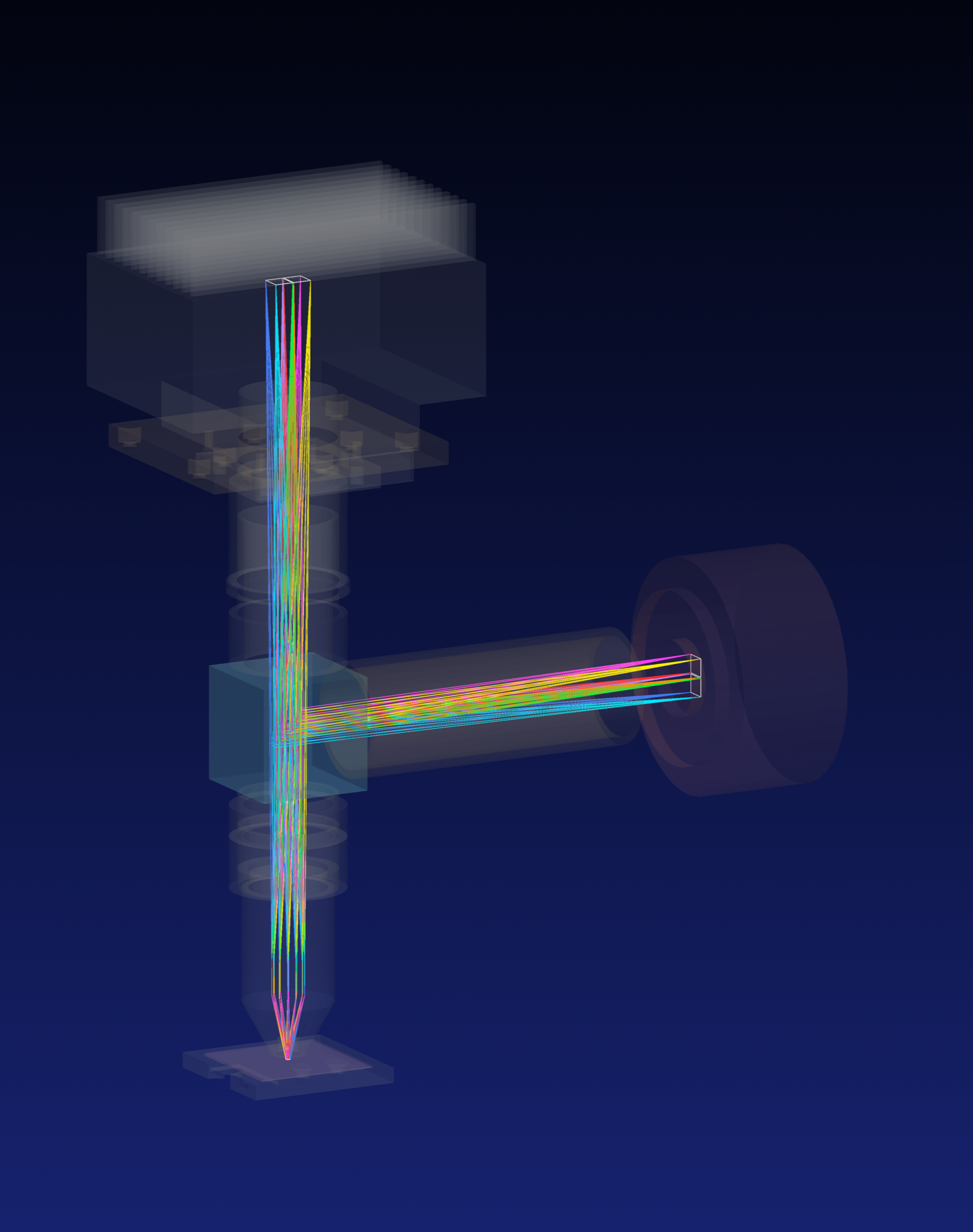
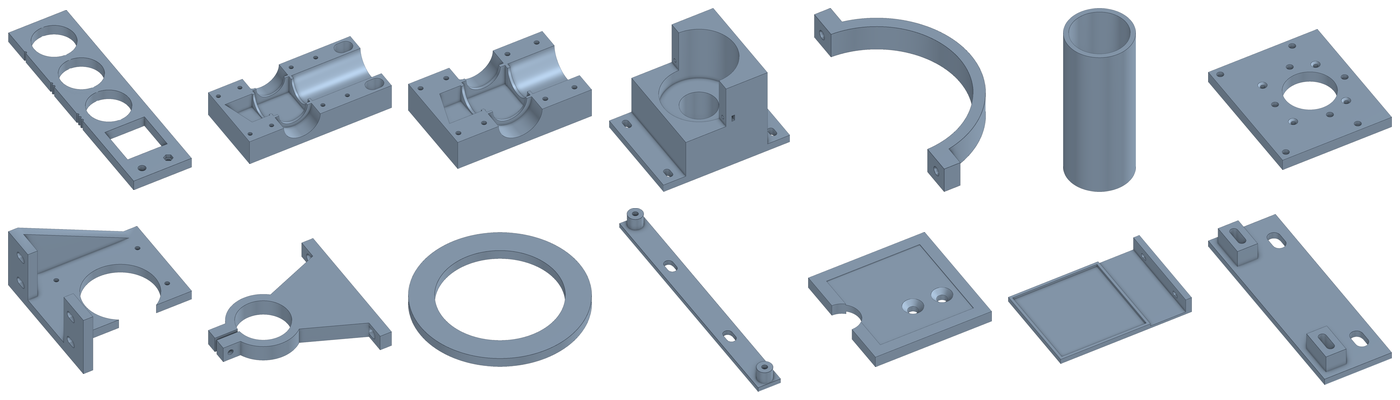
Designing a complete maskless lithography stepper targeting <1 µm features, with 10× projection optics and a micro-manipulator stage.
Diffusion models from scratch
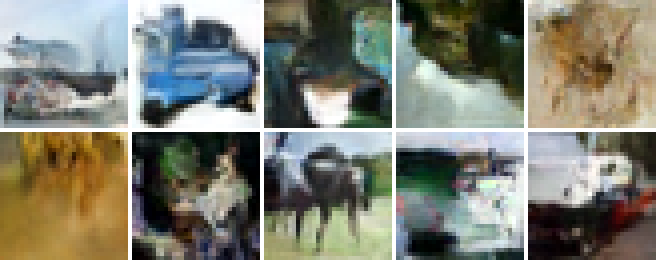
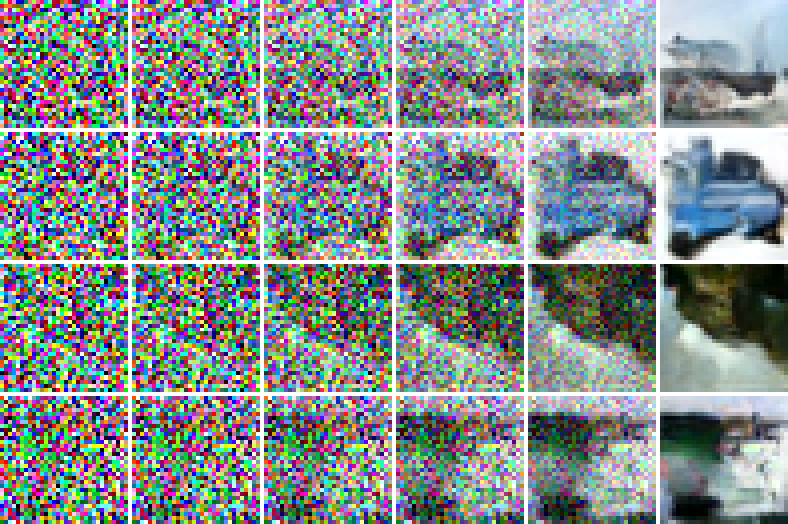
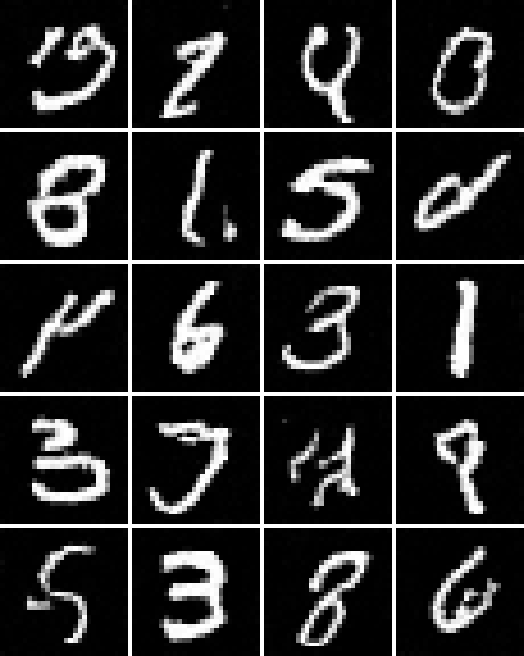
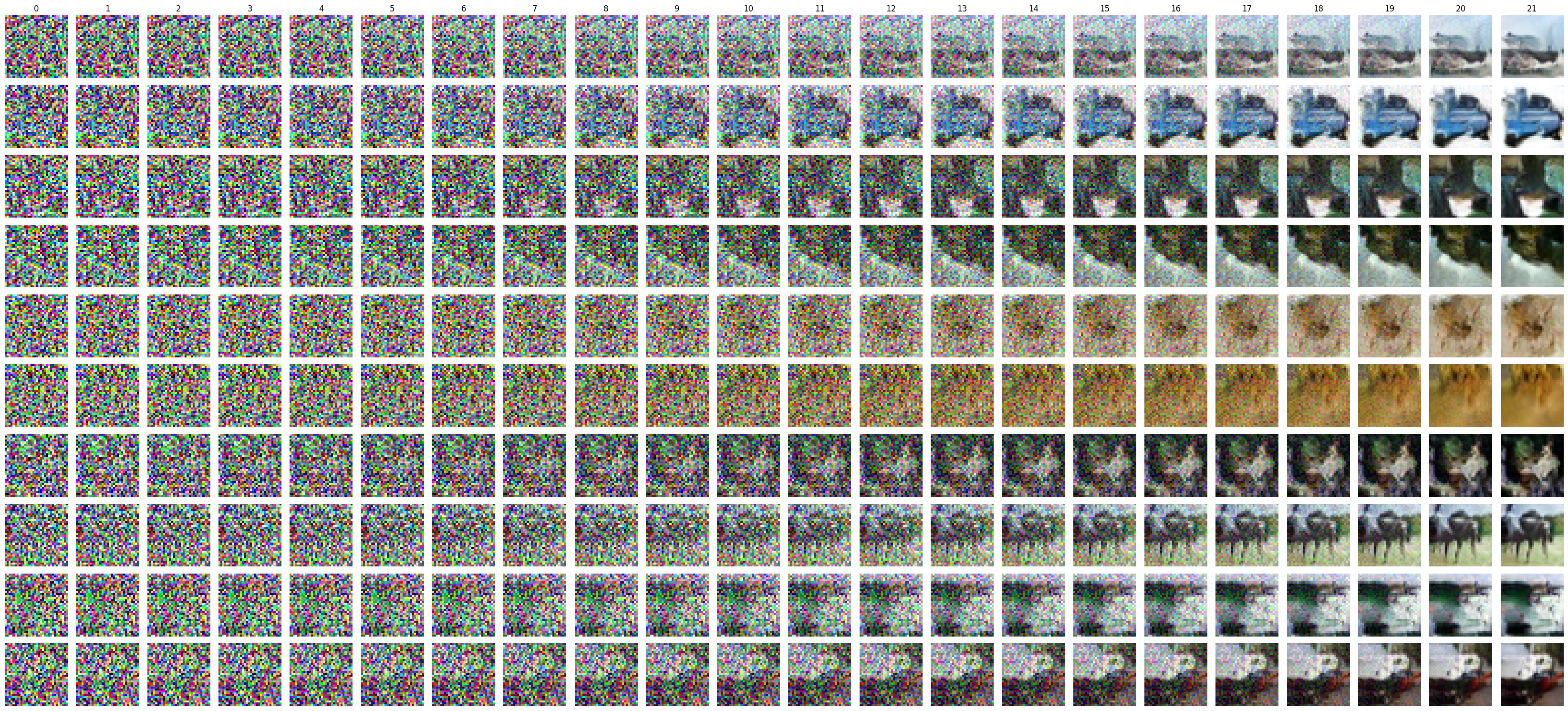
Wanted to understand how diffusion worked (also the inspiration for my website background), so I learned all the theory and coded up a progression from flow matching to diffusion, then CFG and EMA.
Shady - GLSL to SPIR-V compiler
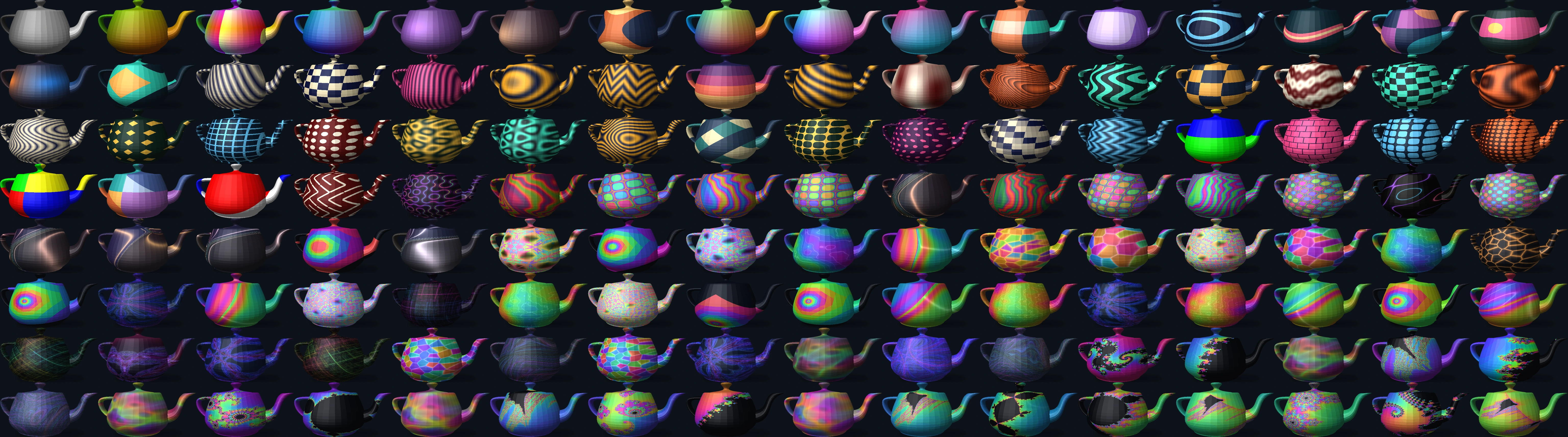
Spent a lot of time working through the Dragon Book for a class. Ended up building a GLSL compiler that emits SPIR-V, then using a small Vulkan renderer to run the shaders on my GPU.
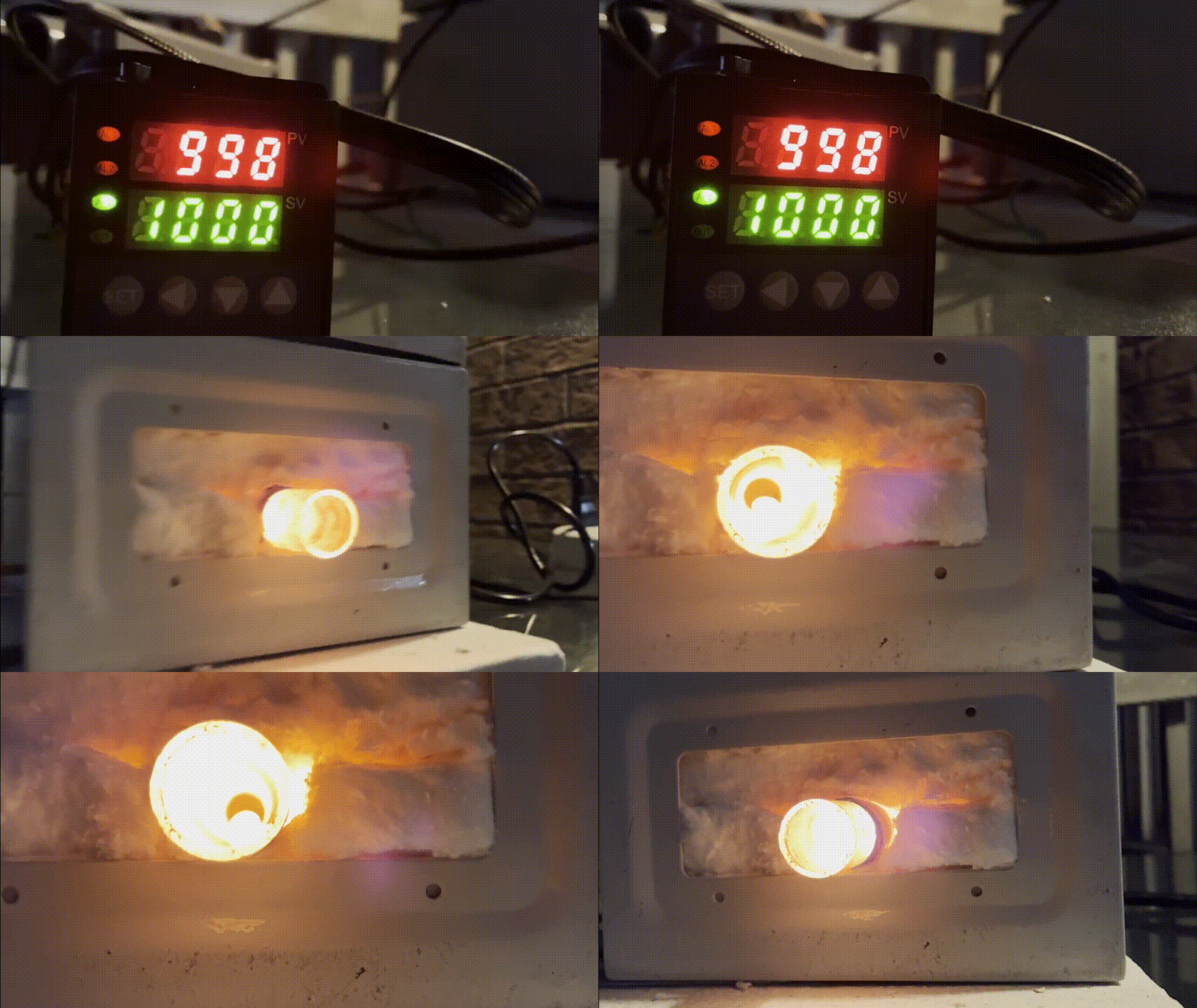
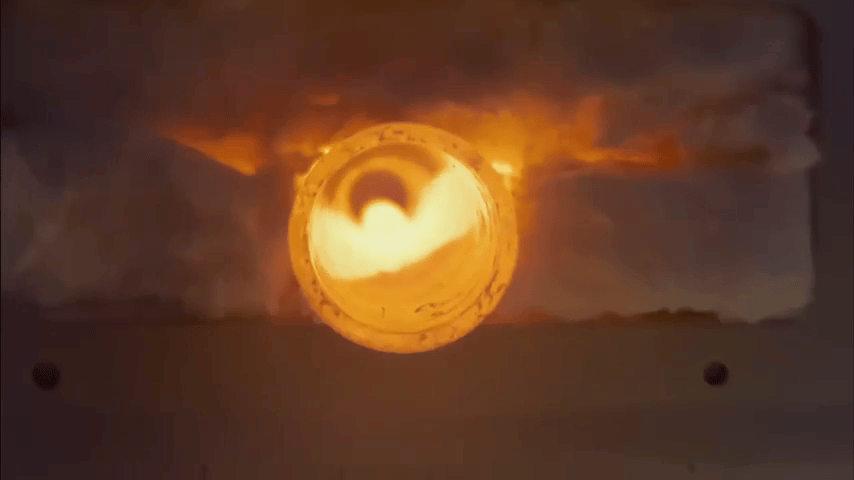
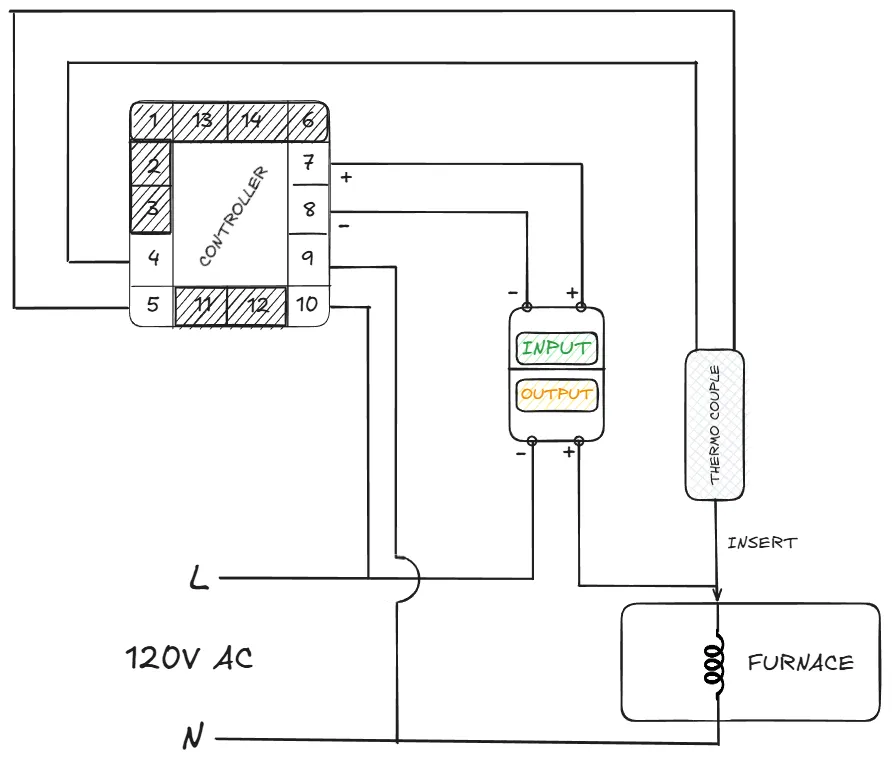
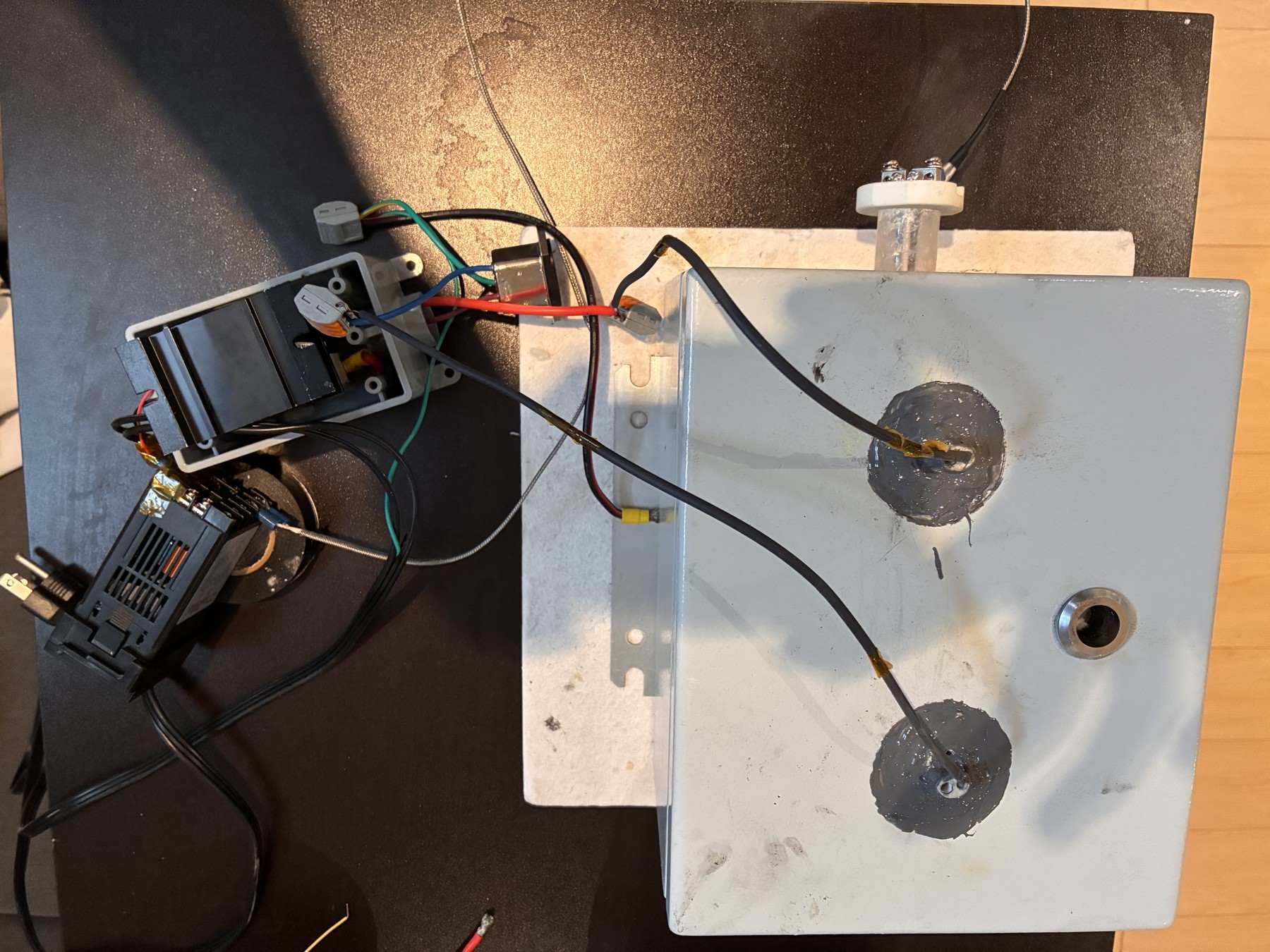
1,000 °C tube furnace
Hacked up a metal box into a 1,000 °C tube furnace.
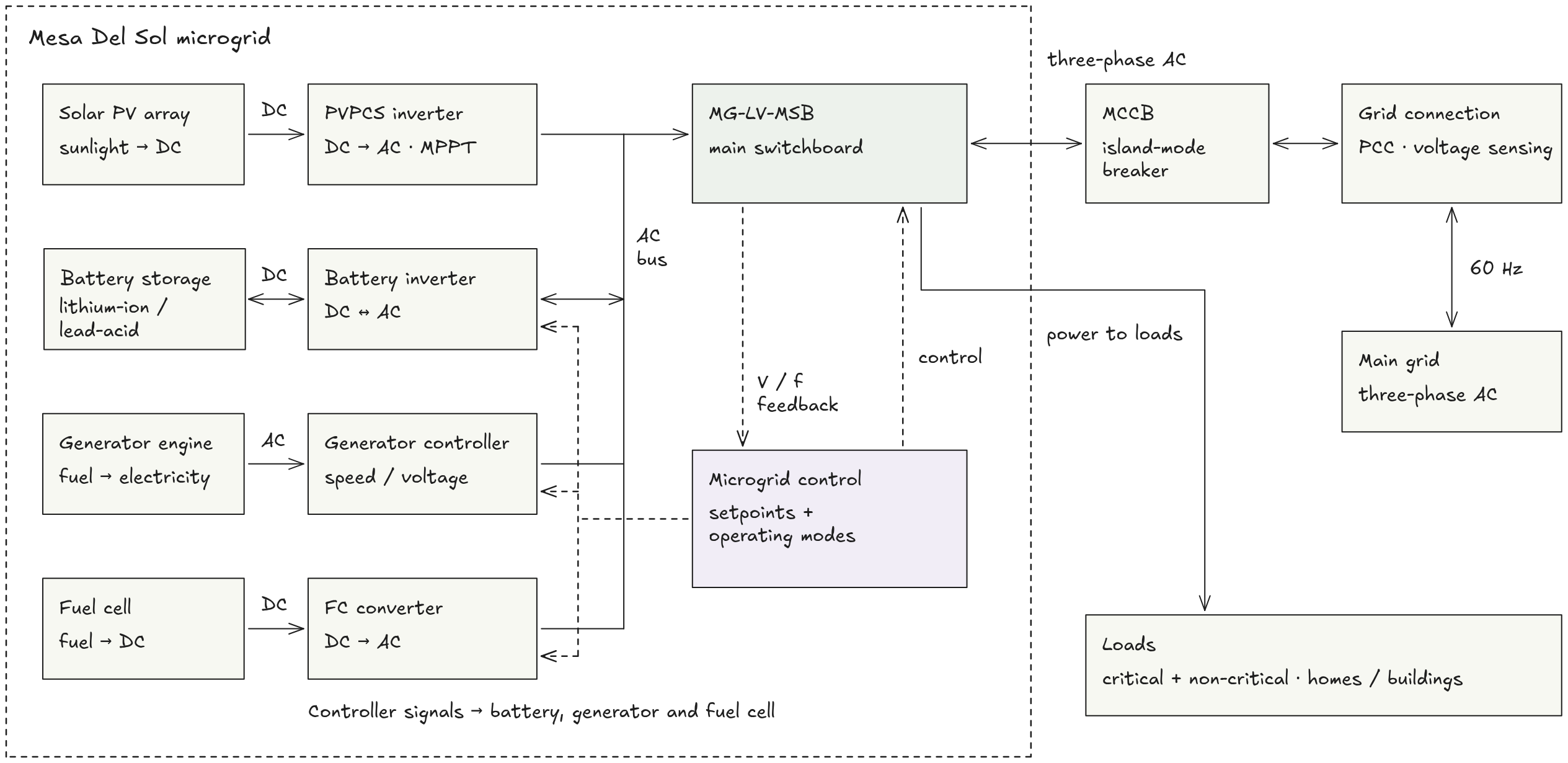
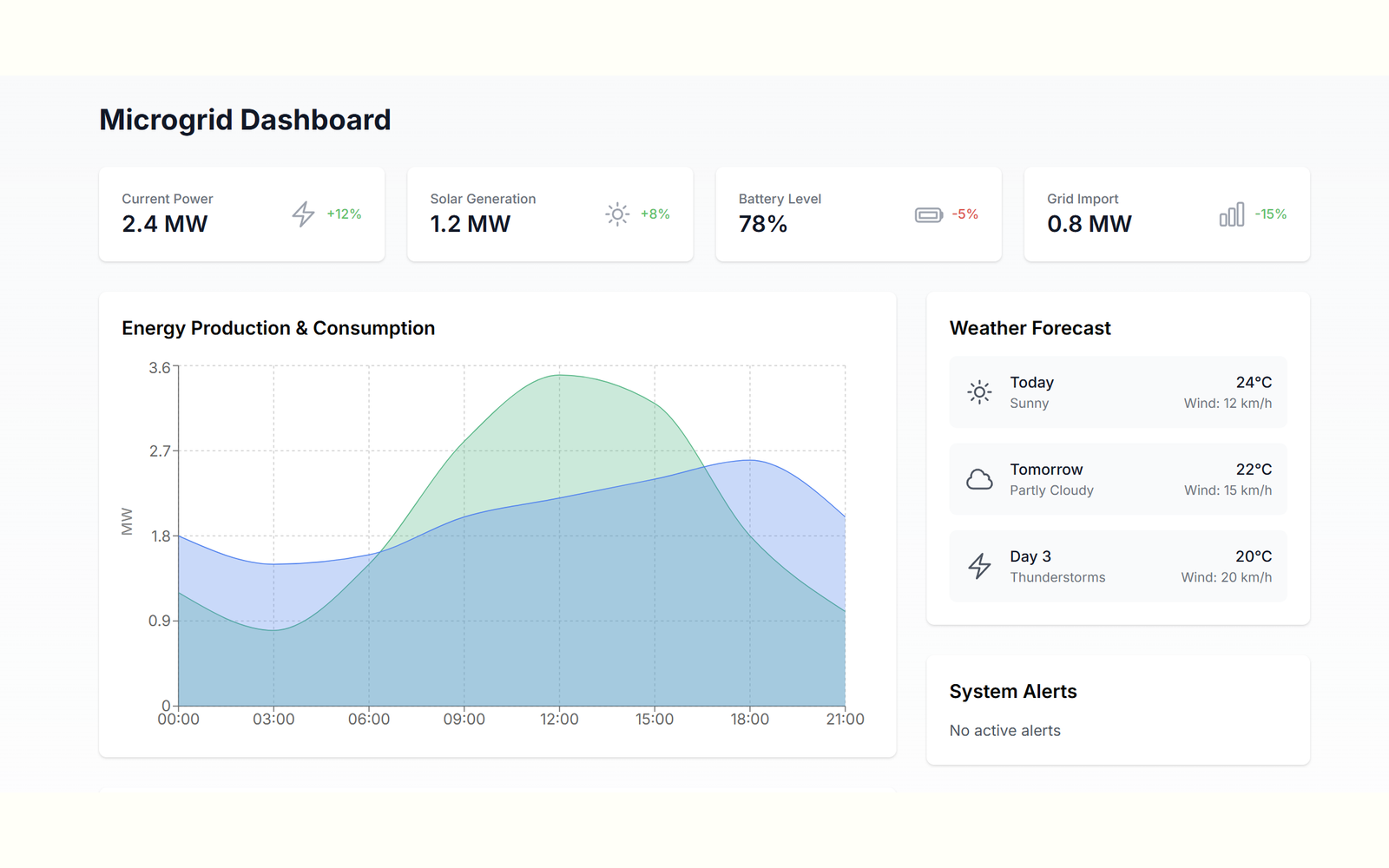
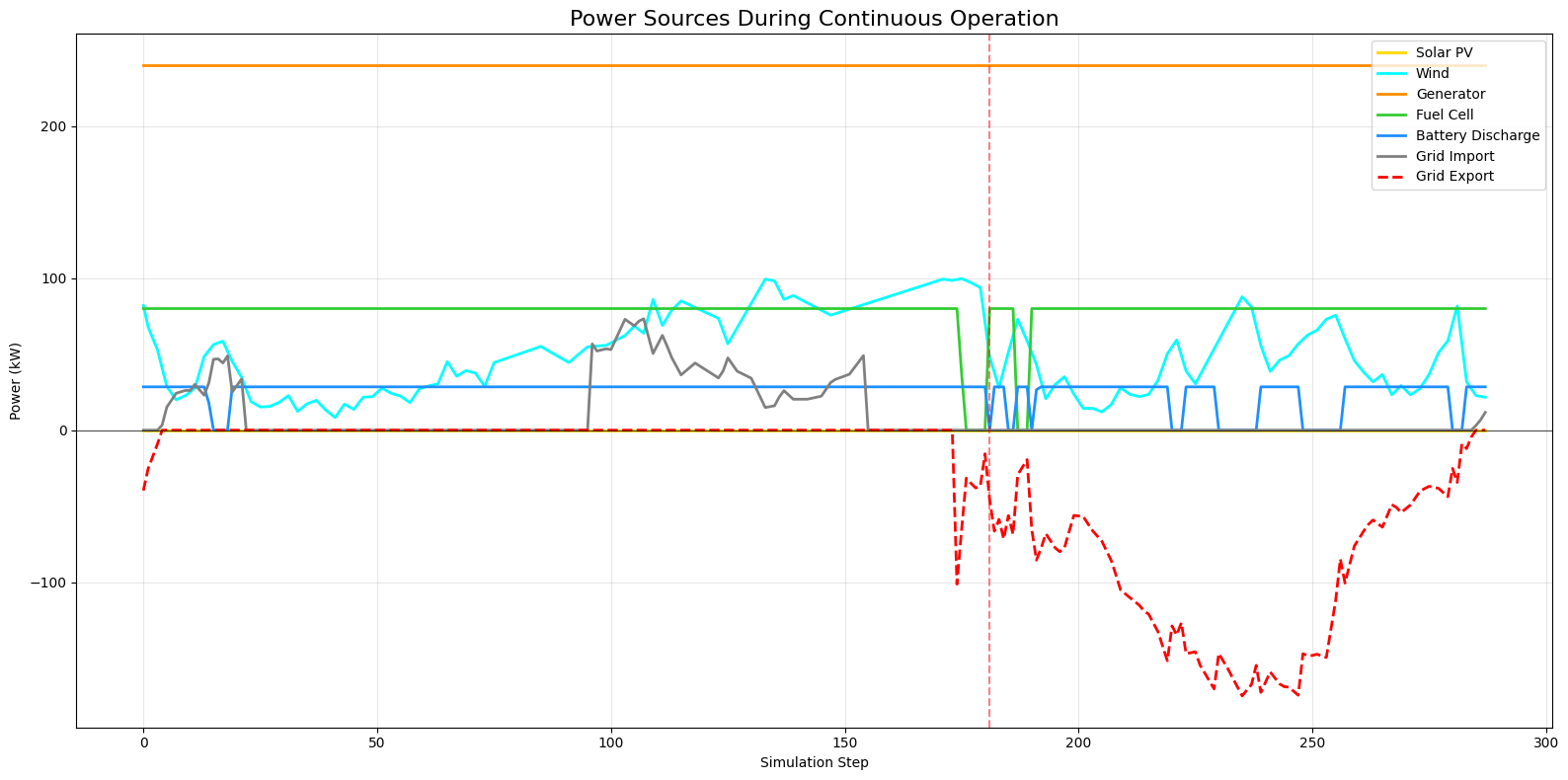
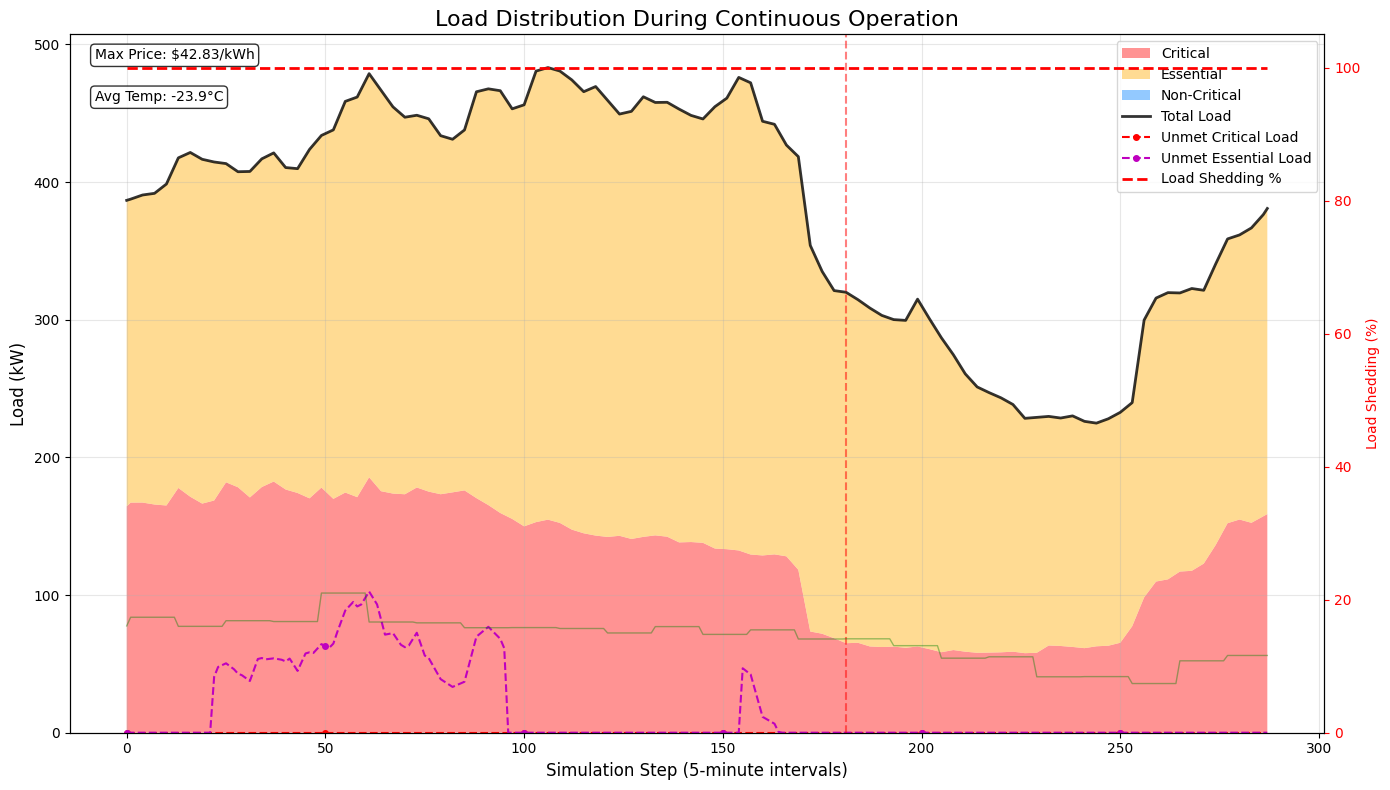
Reinforcement learning for microgrids
Wanted to learn reinforcement learning and learned why it’s so hard to make a good reward function. Built a custom Gym environment, added dropout to Stable Baselines3, and wrote a paper.
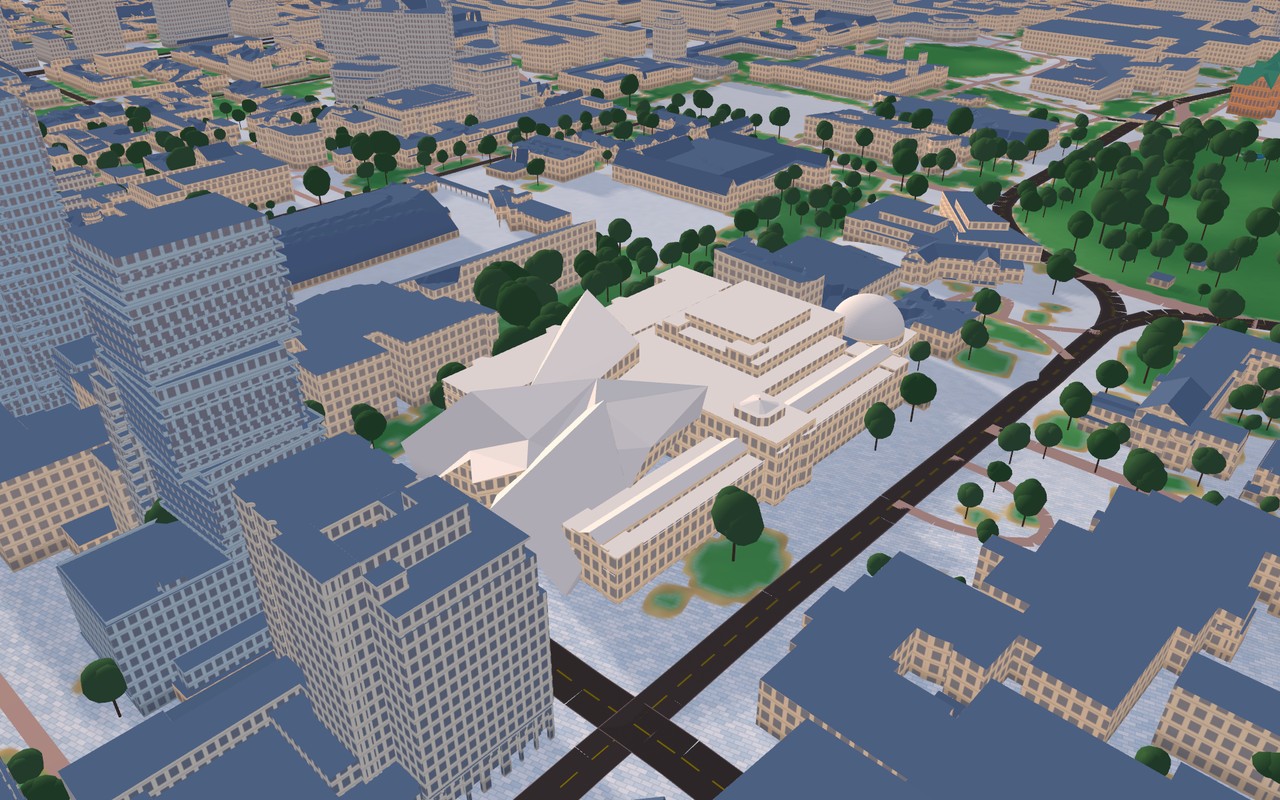
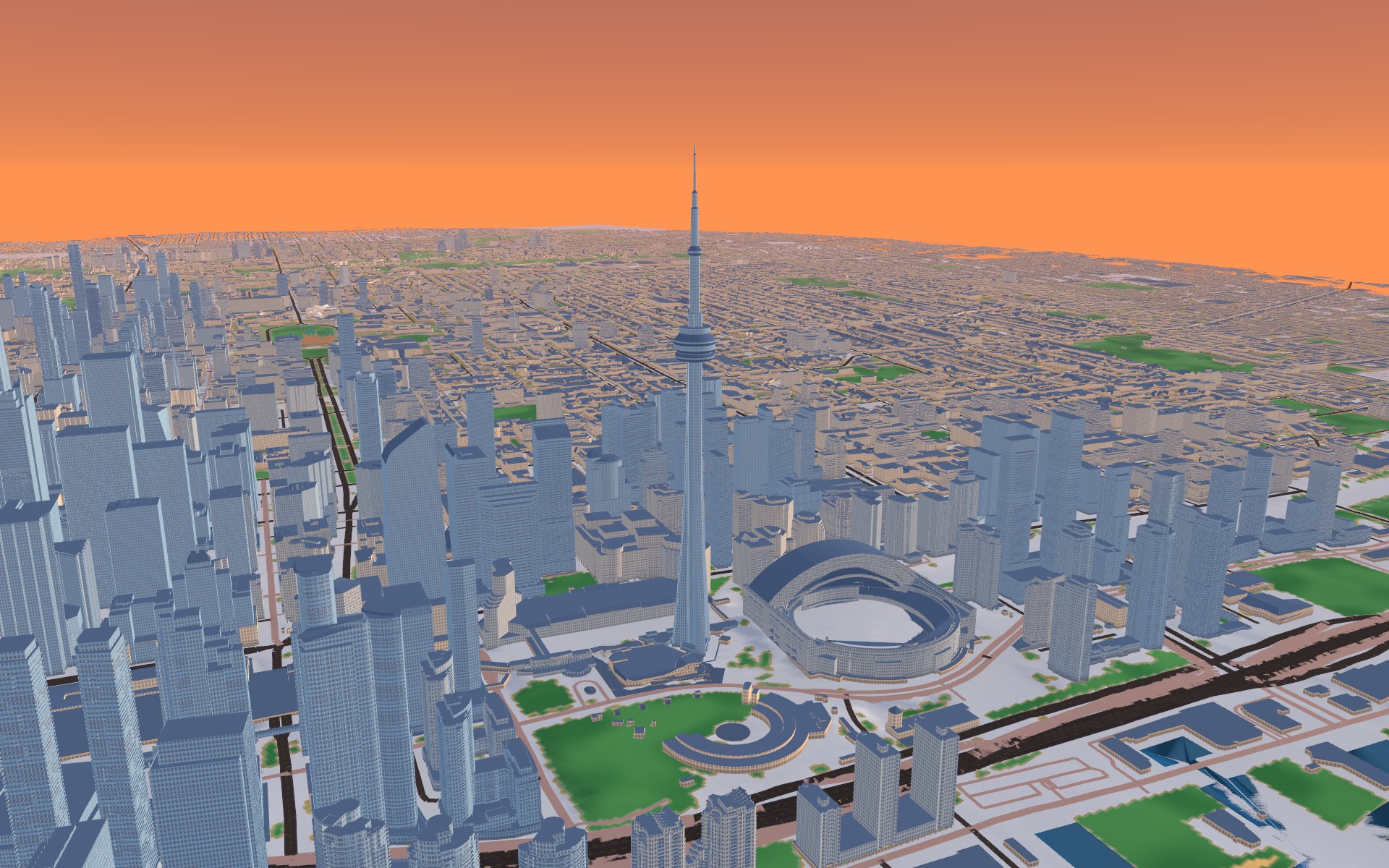
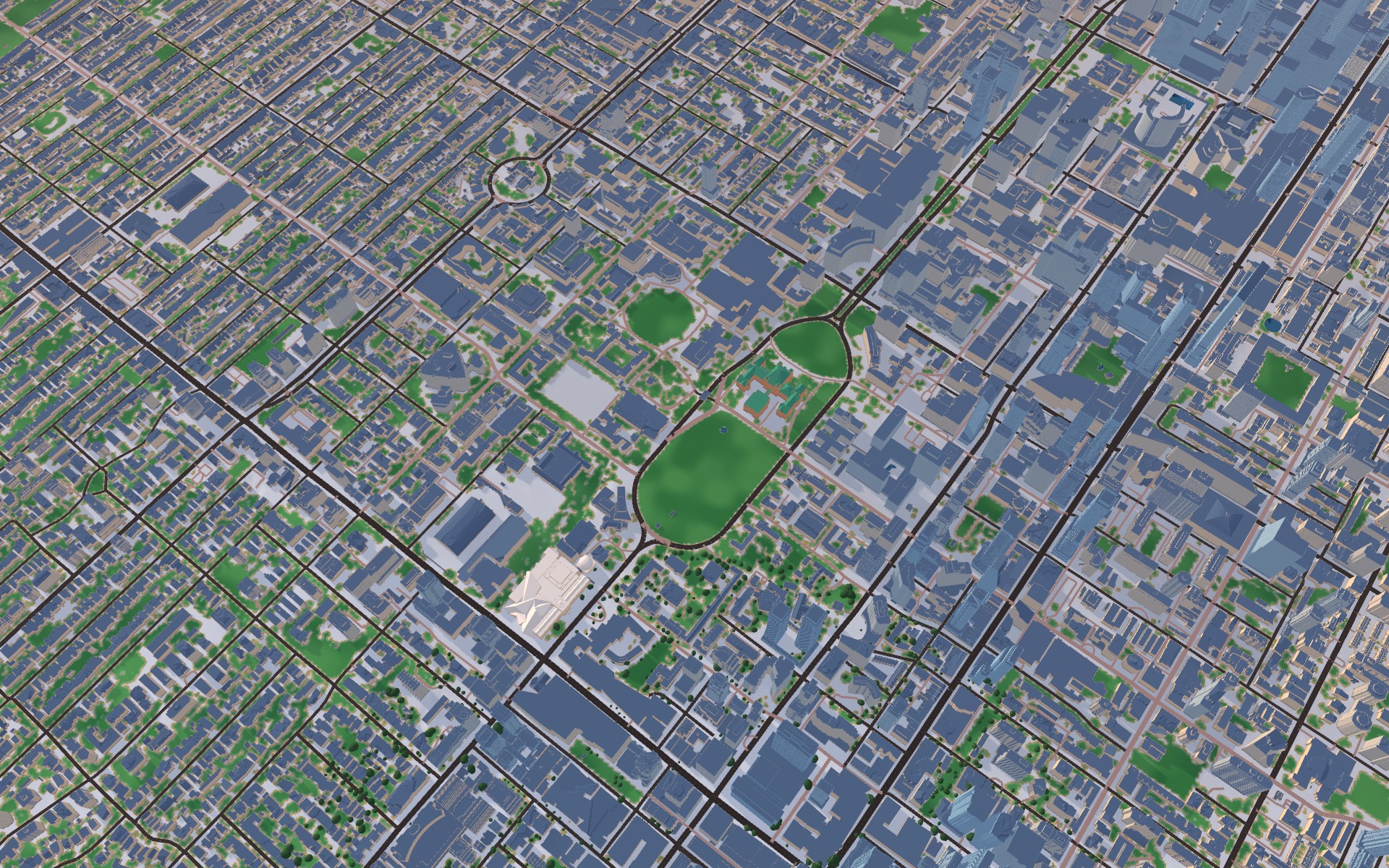
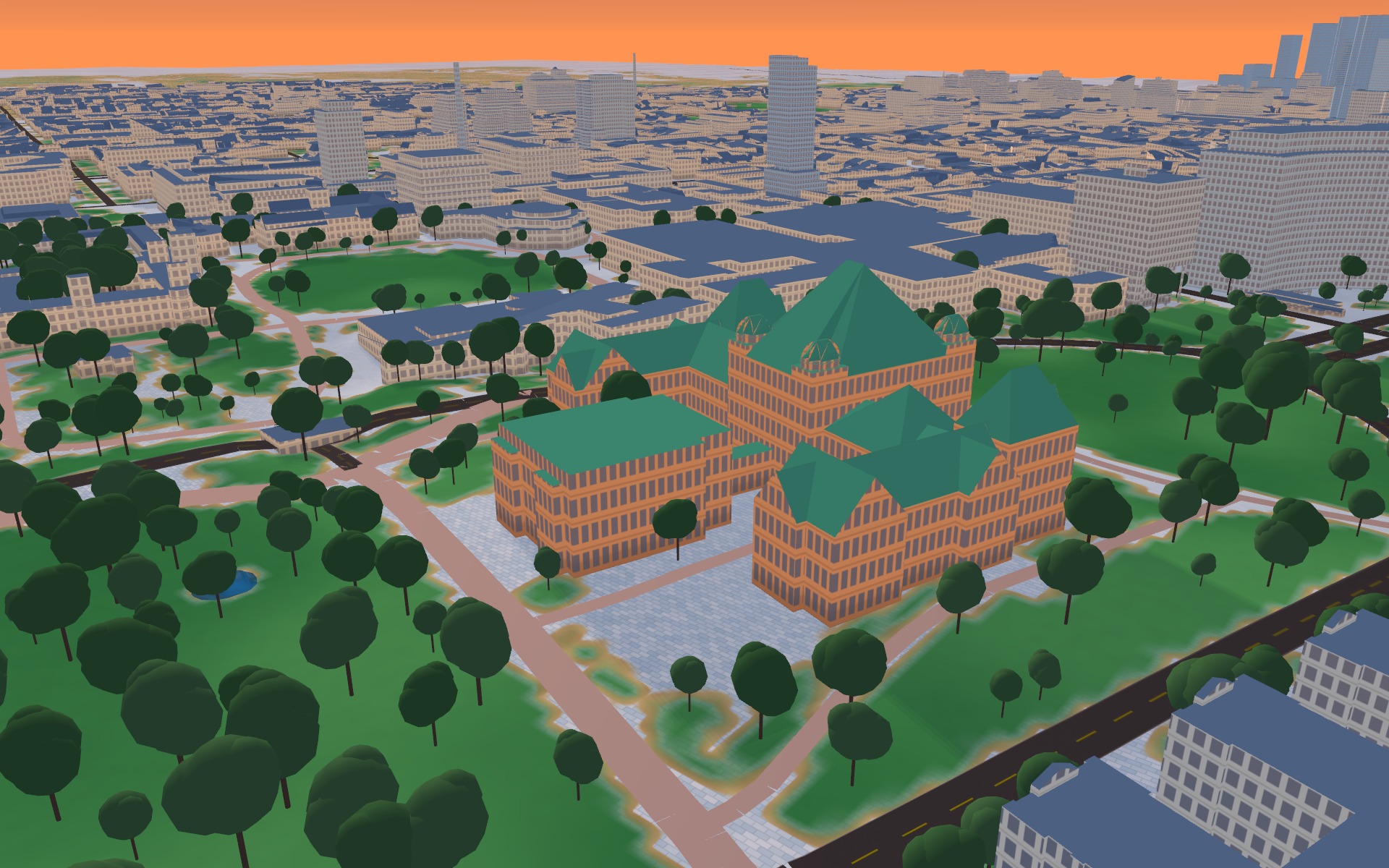
GPU-accelerated 3D map renderer
Really wanted to learn CUDA back then, so I built a 3D renderer with frustum culling to achieve 240+ FPS.
Neural network on an FPGA
Had a crazy idea to build a neural network in Verilog, basically writing the circuit for a model that classifies handwritten digits. This was one of my hardest projects. Learned the hard way that simulation != FPGA. Performs inference on MNIST in under 0.53 MB of total FPGA memory.
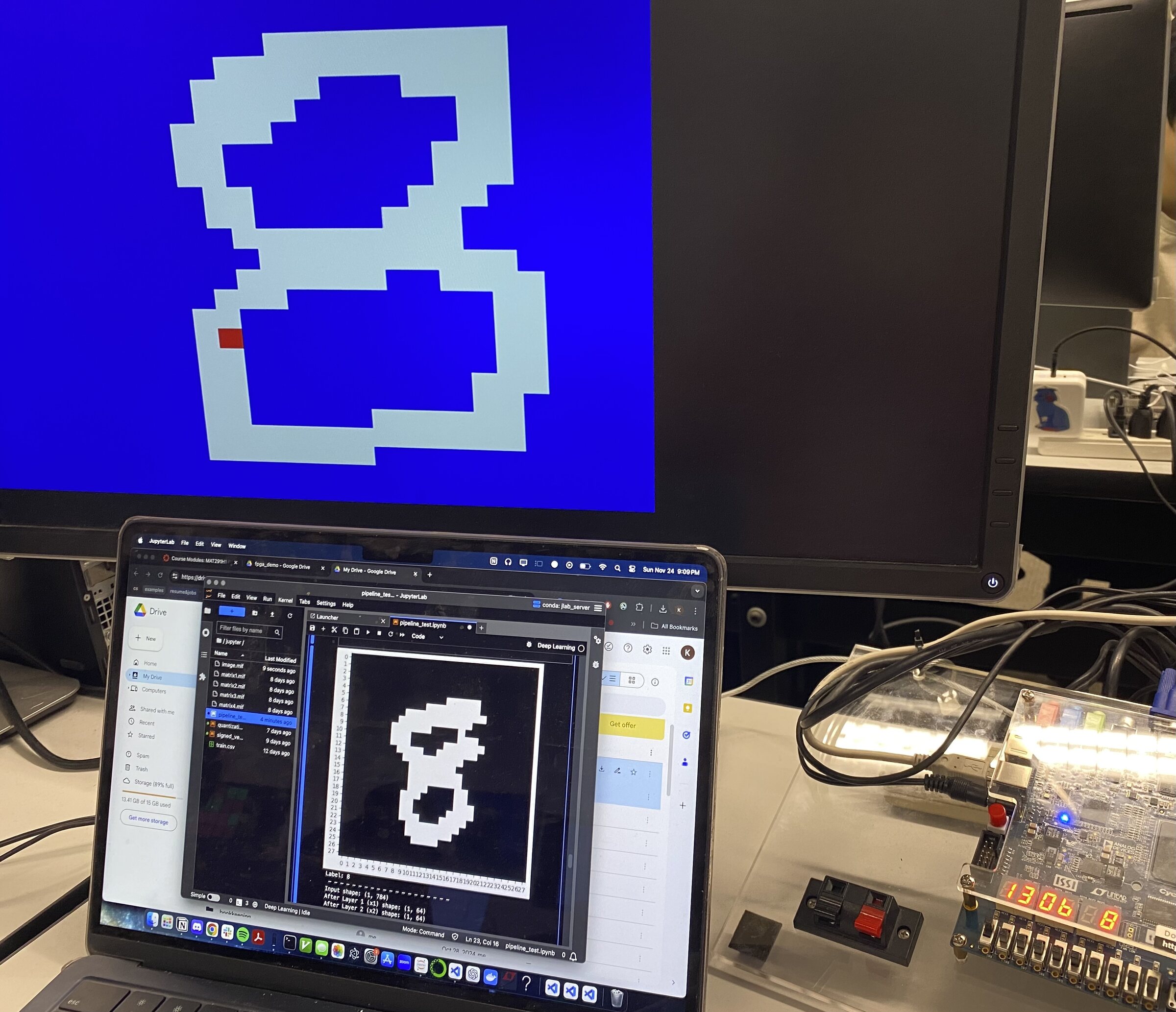
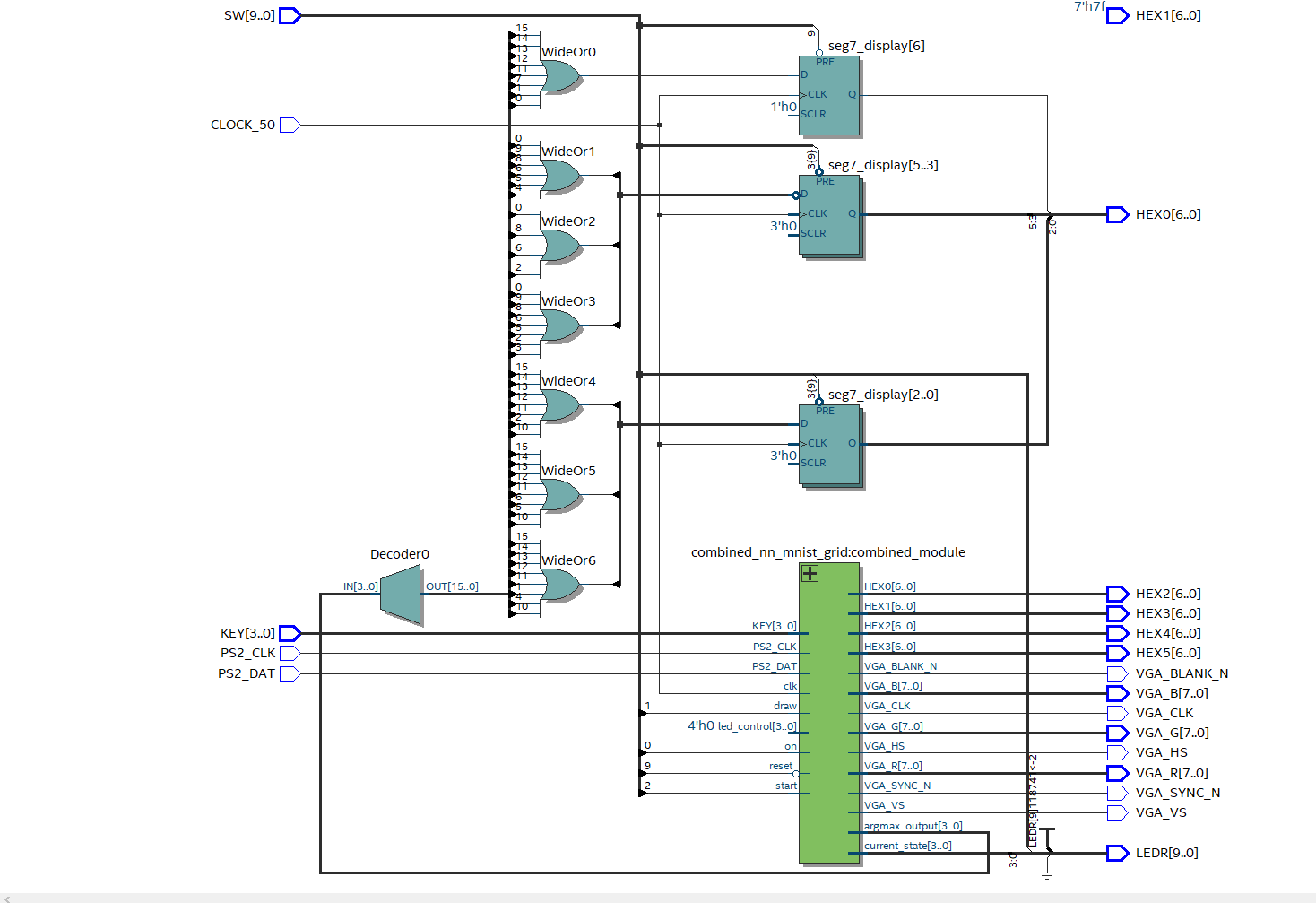
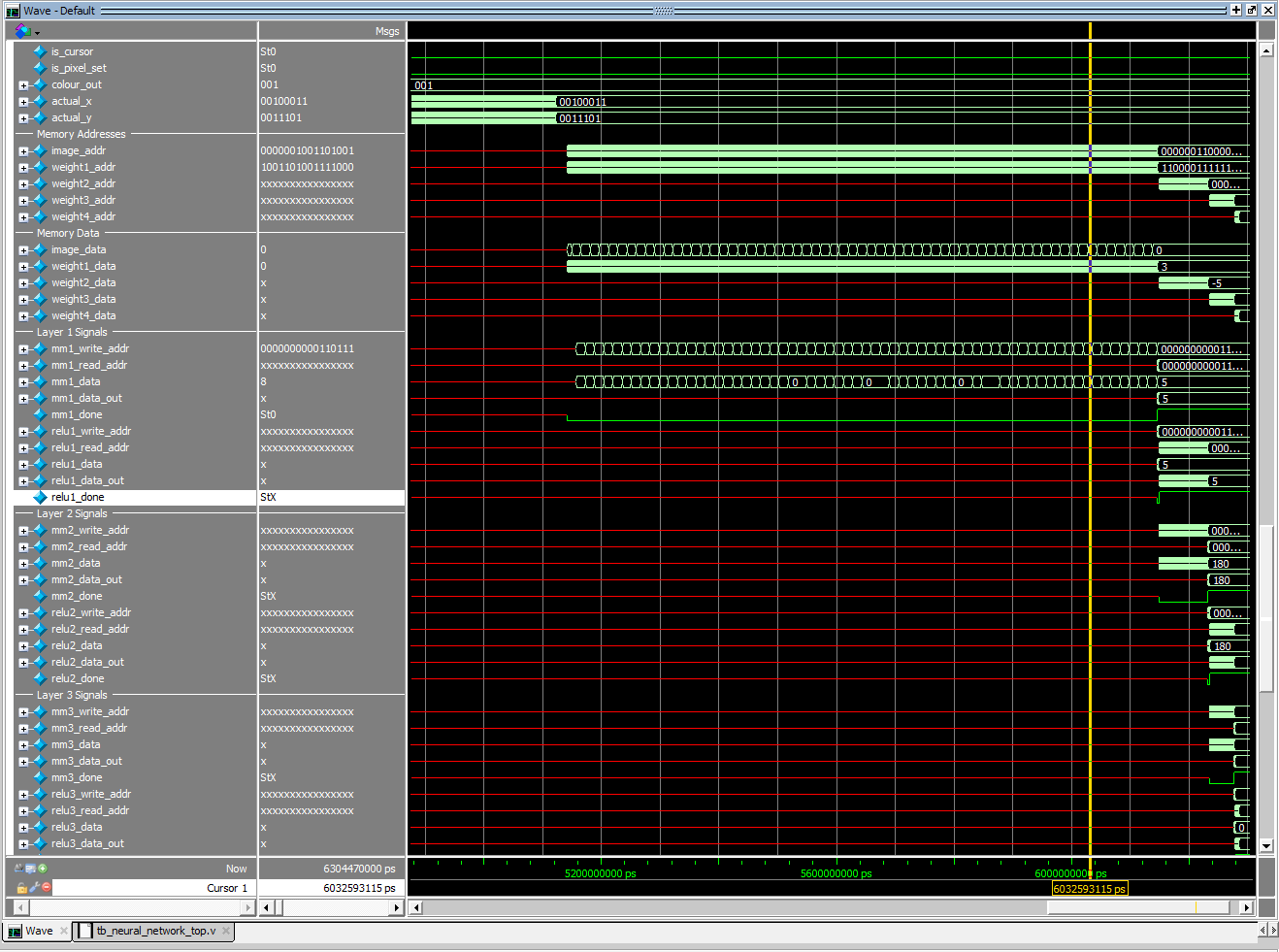
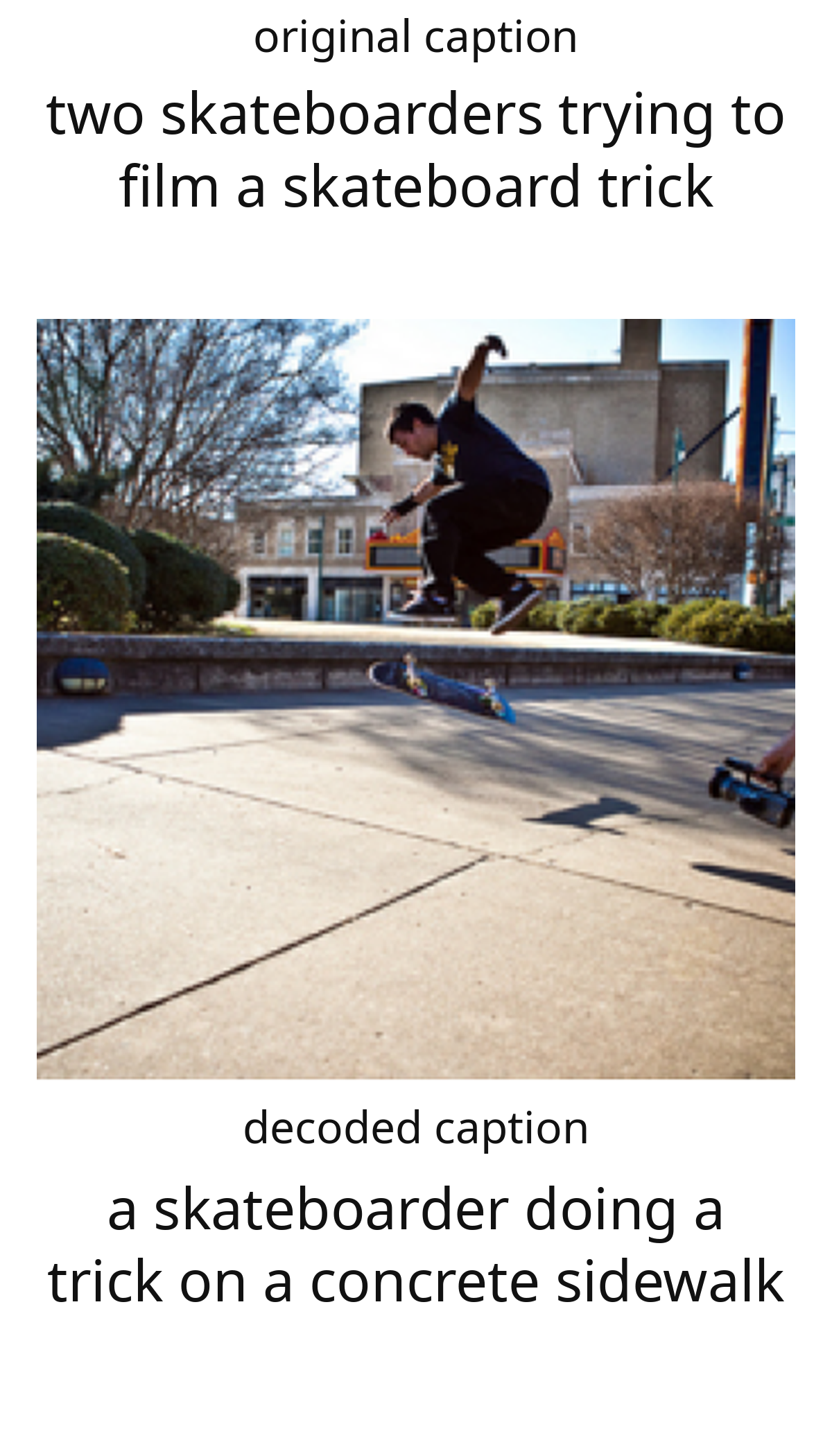
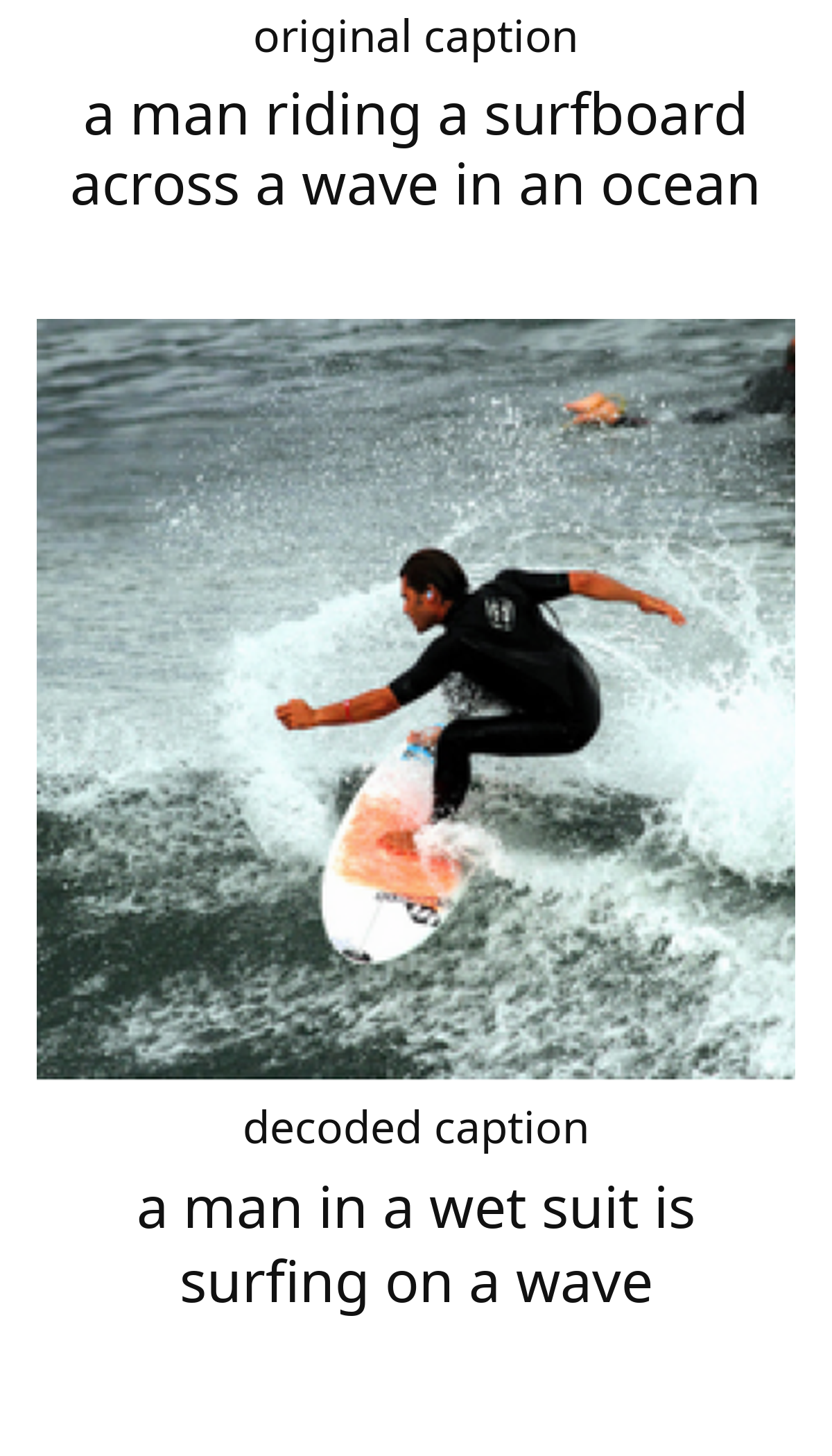
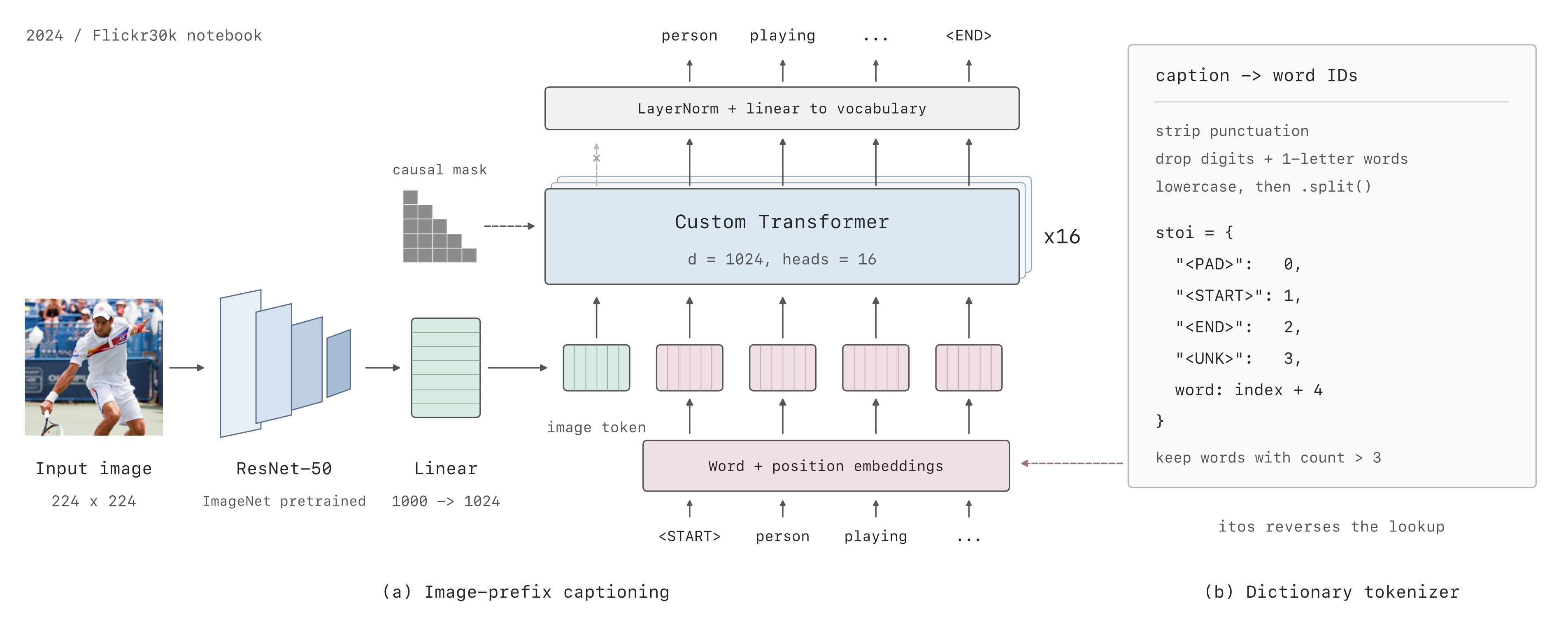
Image captioning using vision transformers
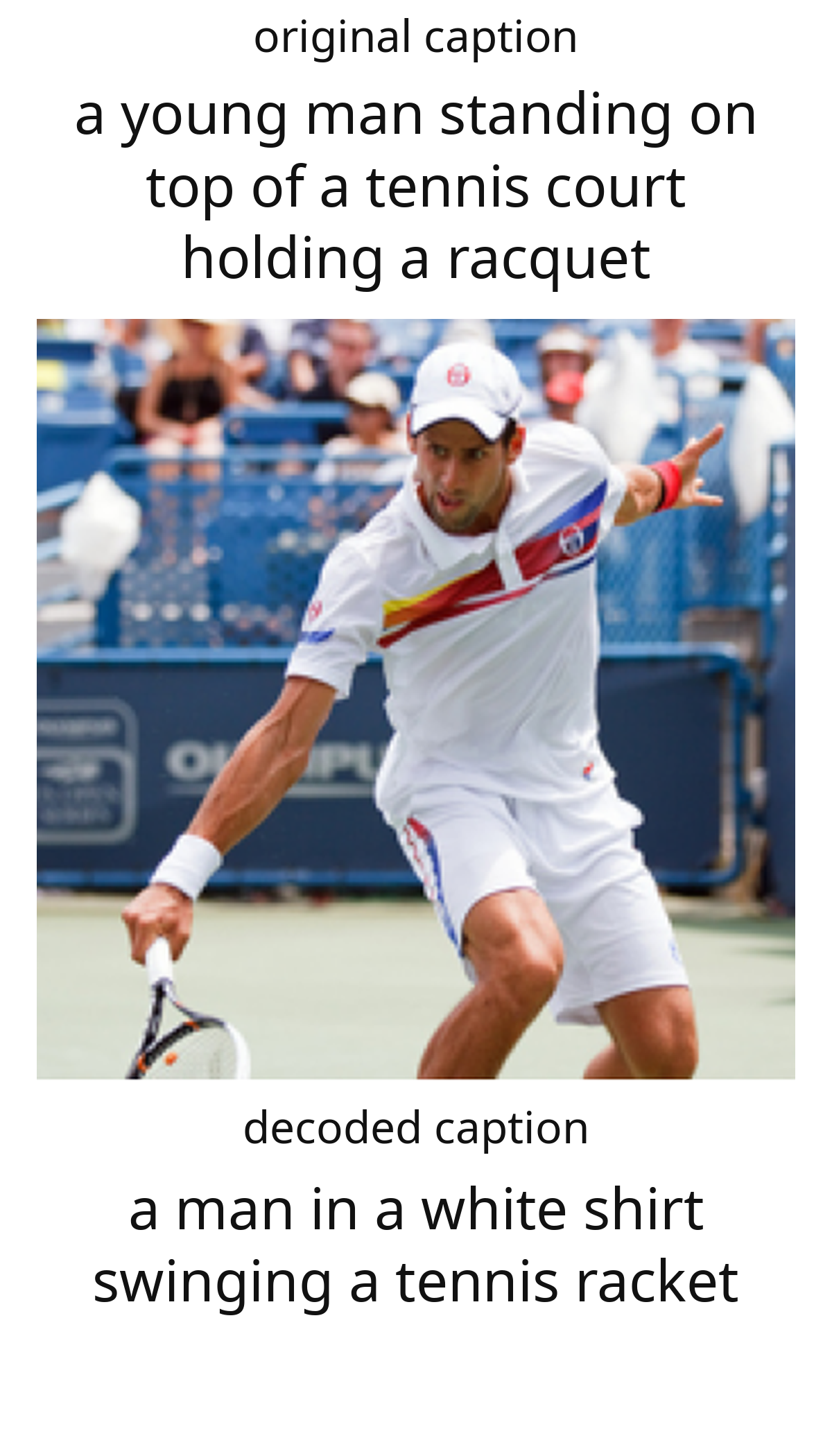
A friend challenged me to build an image captioner when I had no deep learning experience. Speedran the history of deep learning in my first year summer and built the entire thing by hand (back when LLMs were just as good as autocomplete).
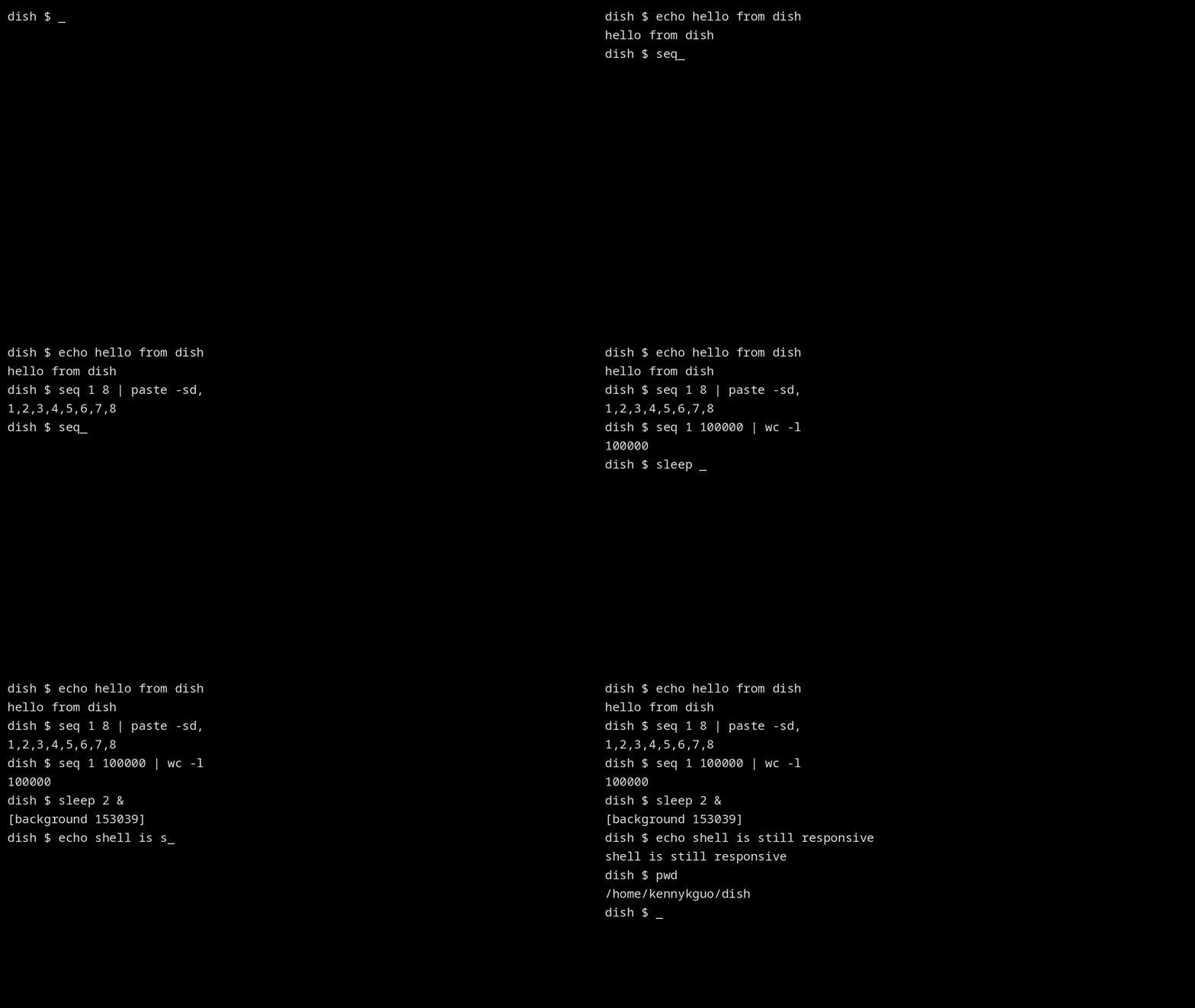
Dope interactive shell (dish) - a Unix shell
Wrote a shell by hand in C during a small research gig in first year, for a course called ECE344 at the University of Toronto. Dove deep into xv6, got systems-pilled, and started developing a taste for operating systems.